Flue Gas Treatment Technology: Driving Cleaner and Smarter Industry
As industries continue to expand globally, one of the greatest challenges remains controlling air pollution from industrial processes. Steel plants, cement factories, waste incinerators, and power generation facilities all release large amounts of flue gas containing sulfur oxides (SOx), nitrogen oxides (NOx), particulate matter, and carbon dioxide (CO₂). To meet stricter environmental regulations and pursue sustainable development, advanced flue gas treatment technology has become an essential solution for industries worldwide.
The Role of Flue Gas Treatment Technology in Modern Industry
The importance of flue gas treatment technology goes beyond simply meeting environmental compliance. Today, governments, investors, and consumers all expect industries to adopt greener practices and demonstrate environmental responsibility. Companies that fail to act face not only legal risks but also damage to their reputation and competitiveness.
By implementing advanced flue gas treatment systems, industries can effectively remove harmful emissions before they reach the atmosphere. These systems are designed to target multiple pollutants simultaneously—such as dust, sulfur dioxide, nitrogen oxides, heavy metals, and greenhouse gases—providing a comprehensive solution to air pollution challenges.
For global players, showcasing the use of reliable flue gas treatment technology also strengthens their market image, helping them gain trust from international partners and secure long-term business opportunities.
Key Flue Gas Treatment Technology Solutions
There are several advanced flue gas treatment technology solutions available today, each designed for specific pollutants and industry needs:
Desulfurization (FGD Systems): Wet, semi-dry, and dry scrubbers remove sulfur dioxide (SO₂), preventing acid rain and reducing respiratory health risks.
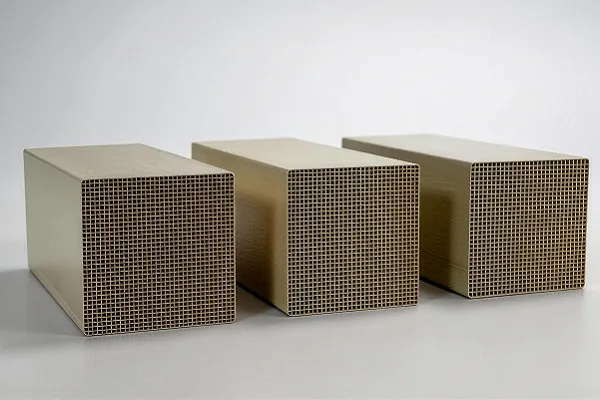
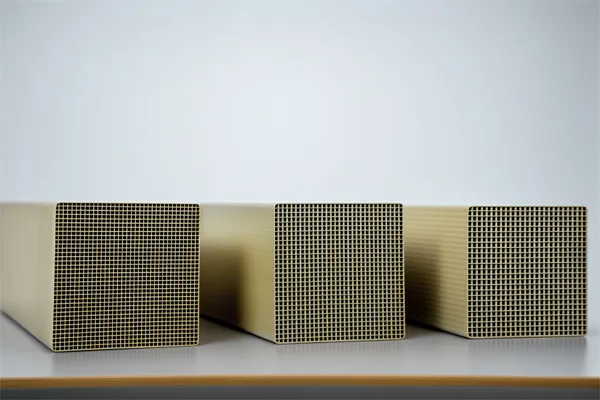
DeNOx Technologies (SNCR/SCR catalyst): Selective Catalytic Reduction (SCR ) and Selective Non-Catalytic Reduction (SNCR) processes eliminate nitrogen oxides (NOx), major contributors to smog and ozone formation.
Particulate Removal: Electrostatic precipitators (ESP) and baghouse filters capture fine dust, fly ash, and heavy metals, ensuring cleaner air for surrounding communities.
Carbon Capture & Utilization (CCUS): A cutting-edge flue gas treatment technology that captures CO₂ for reuse in industrial processes, energy storage, or chemical production, directly contributing to carbon neutrality goals.
Many industries integrate these systems into a single, customized solution to achieve maximum efficiency and long-term sustainability.
Benefits of Investing in Flue Gas Treatment Technology
Companies adopting advanced flue gas treatment technology enjoy a wide range of benefits that extend beyond compliance:
Regulatory Confidence: Meeting international air quality standards helps companies maintain operational licenses and avoid costly penalties.
Cost Savings: Modern systems are designed for high efficiency, reducing energy consumption and operating expenses. Some even generate valuable by-products, such as gypsum from desulfurization, which can be reused in construction.
Global Competitiveness: Demonstrating environmental responsibility builds trust with customers, investors, and international partners.
Future-Proof Operations: As emission standards continue to tighten, companies equipped with advanced technologies will remain resilient and competitive.
The Future of Flue Gas Treatment Technology
The future of flue gas treatment technology lies in greater efficiency, digitalization, and sustainability. AI-driven monitoring systems, smart data analytics, and integrated energy recovery will enable industries to cut costs while achieving even lower emission levels. At the same time, technologies like CCUS will play a vital role in helping nations and companies meet their carbon neutrality commitments.
Forward-looking enterprises that embrace innovation in flue gas treatment technology today will not only meet environmental obligations but also position themselves as leaders in the global transition toward cleaner and greener industry.
Conclusion
Advanced flue gas treatment technology is no longer just an option—it is a necessity for industries aiming to balance growth with environmental responsibility. From desulfurization and denitrification to dust removal and carbon capture, these solutions deliver both ecological and economic value.
For companies determined to thrive in the era of sustainability, investing in flue gas treatment technology is the smartest path forward—protecting the planet while securing long-term business success.
 English
_20260520163431.webp "Benchmark Project | Taisheng (Guizhou) Bamboo Resources Development Co., Ltd. 2400 tds/d Alkali Recovery Boiler Flue Gas Denitrification Project_copy20260520163517")