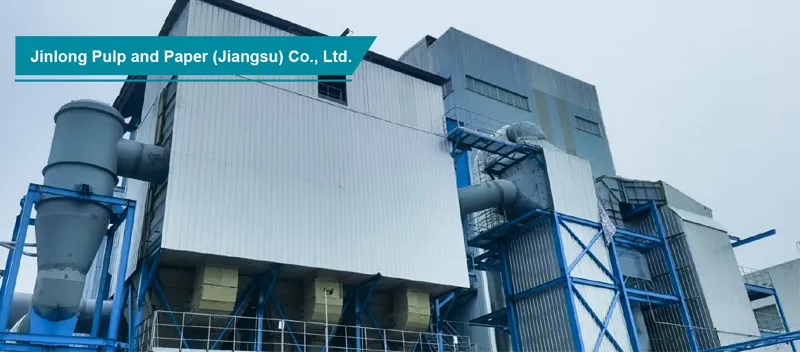
With industries under increasing pressure to reduce emissions, advanced solutions are needed to tackle complex pollutants from steel, cement, waste incineration, and power generation. Among the available technologies, activated carbon flue gas treatment stands out for its effectiveness in capturing hazardous substances such as dioxins, furans, mercury, and other heavy metals. By combining simplicity with efficiency, it has become a trusted choice for industries worldwide looking to comply with regulations and improve sustainability.
Why Activated Carbon Flue Gas Treatment Matters
The importance of activated carbon flue gas treatment lies in its ability to target pollutants that are difficult to remove with conventional methods. While desulfurization supports SO2 removal from flue gas and denitrification focuses on NOx control, activated carbon specifically adsorbs micro-pollutants and toxic compounds that pose serious health and environmental risks.
Industries that adopt this technology not only meet stringent emission standards but also demonstrate a strong commitment to environmental responsibility. In today’s competitive global market, showing such responsibility strengthens corporate reputation, builds trust with international partners, and opens opportunities for long-term cooperation.
How Activated Carbon Flue Gas Treatment Works
The activated carbon flue gas treatment process is based on adsorption, a natural phenomenon where pollutants adhere to the porous surface of activated carbon particles. This material has an extremely high surface area, making it capable of capturing a wide range of harmful substances, even at very low concentrations.
There are typically two application methods:
Powdered Activated Carbon (PAC) Injection: Injected directly into the flue gas stream, PAC binds with pollutants and is later captured by a dust removal system, such as a bag filter or baghouse.
Granular Activated Carbon (GAC) Systems: GAC beds allow continuous adsorption of toxic compounds, providing long-term and stable treatment performance.
This flexibility makes activated carbon suitable for various industries, from municipal waste incineration to chemical production facilities.
Benefits of Activated Carbon Flue Gas Treatment
Companies that invest in activated carbon flue gas treatment enjoy multiple benefits:
Comprehensive Pollutant Removal: Effectively targets dioxins, furans, mercury, and VOCs that other systems struggle to eliminate.
Regulatory Compliance: Helps industries meet strict EU and U.S. emission standards for hazardous pollutants.
Operational Flexibility: Activated carbon treatment can be easily integrated with an existing flue gas cleaning system, including ESPs, bag filters and other pollution-control technologies.
Cost-Effectiveness: PAC injection systems are relatively simple to install and maintain, offering a practical solution without large capital investment.
Sustainability: Protects communities and ecosystems, supporting corporate ESG goals and global carbon neutrality initiatives.
The Future of Activated Carbon Flue Gas Treatment
As environmental standards continue to tighten, the role of activated carbon flue gas treatment will expand further. Emerging research focuses on regenerable activated carbon, energy-efficient injection systems, and integration with digital monitoring for real-time pollutant control. These innovations will make the process even more efficient and sustainable, helping industries stay ahead of future regulatory demands.
Forward-looking companies that embrace this technology today will not only comply with regulations but also strengthen their leadership in sustainable industrial practices.
Conclusion
Activated carbon flue gas treatment is more than just an emission control solution—it is a powerful tool for industries to protect the environment, ensure regulatory compliance, and enhance global competitiveness. With its proven ability to remove hazardous micro-pollutants, it provides industries with both environmental and economic value.
For businesses determined to thrive in a greener future, adopting activated carbon flue gas treatment is not just a choice—it is a commitment to cleaner air, healthier communities, and long-term success.
 English
_20260508151313.webp "TONEXUS Technology Successfully Hosts 2026 Annual Innovation and Growth Conference")