TONEXUS Environmental Protection Technology Co., Ltd.

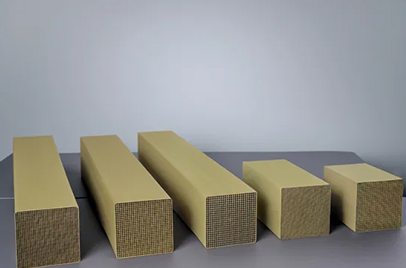
Core Advantages of Multifunctional Catalysts

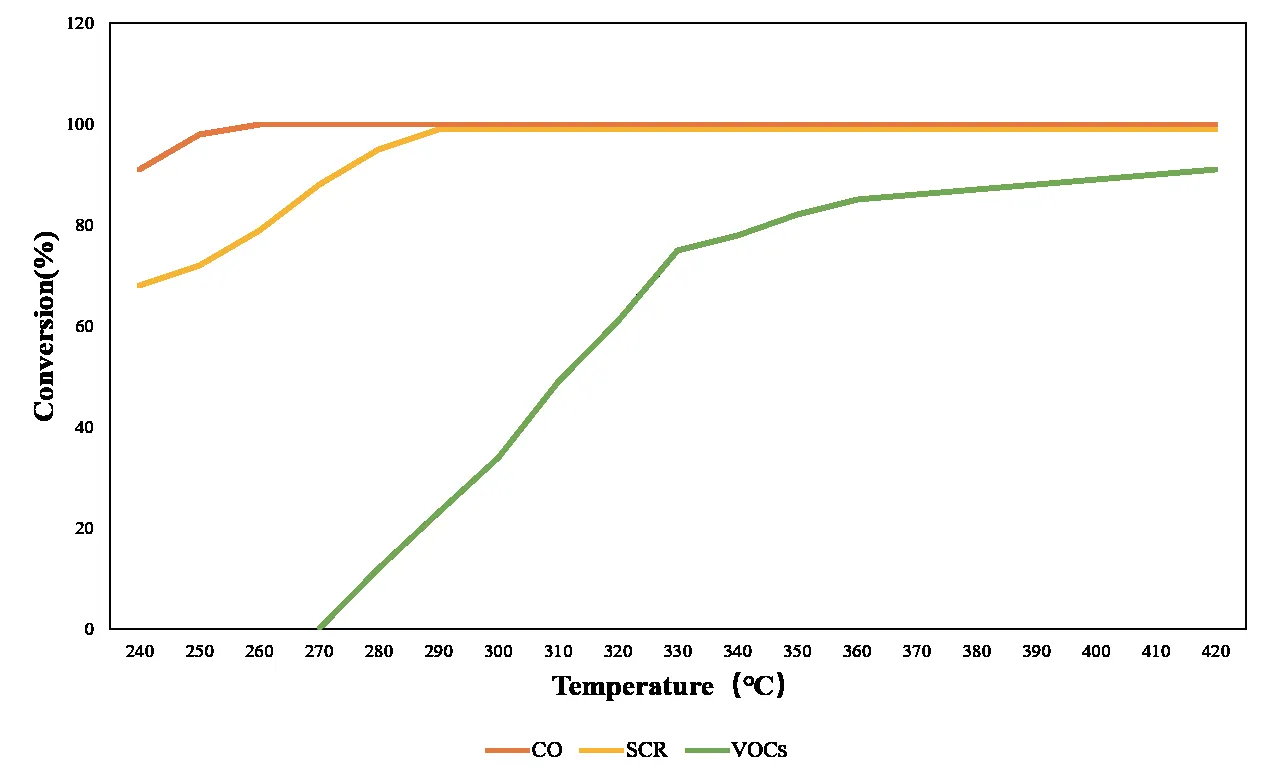
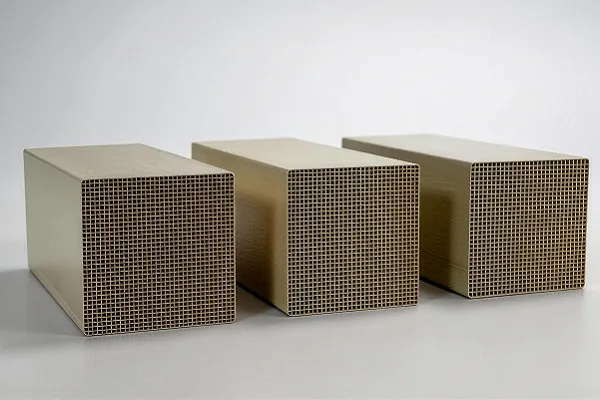
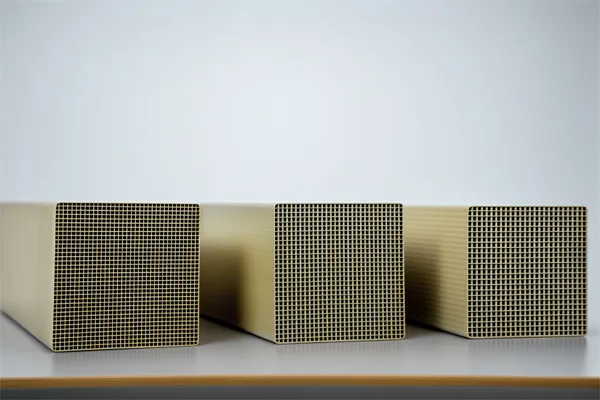
Within 280-420°C, it enables simultaneous CO oxidation, SCR DeNOx and VOCs removal. CO conversion reaches over 98%, SCR efficiency reaches over 95%, and it also delivers excellent removal performance for certain VOCs.
  • Three Effects in One
    Three Effects in One

    One catalyst bed enables coordinated treatment of CO + NOx + VOCsreducing stacked multi-layer catalysts.

  • Fewer Beds,Less Equipment
    Fewer Beds,Less Equipment

    Reduces reactor volume,flue-gas duct modific ations and supportingstructures,improving retrofit feasibility.

  • Lower Pressure Drop, Lower Energy Consumption
    Lower Pressure Drop, Lower Energy Consumption

    Fewer catalyst layers reduce system resistance and help lower fan powerconsumption.

  • Wide Temperature Adaptability
    Wide Temperature Adaptability

    Maintains effective CO, SCR and selected VOCs removal across 280-400°C.

  • Easier Retrofit.Lower Cost
    Easier Retrofit.Lower Cost

    Existing SCR systems can be upgraded or replaced, reducing investment inlarge-scale flue modifications.

  • Easier Retrofit.Lower Cost
    Easier Retrofit.Lower Cost

    Existing SCR systems can be upgraded or replaced, reducing investment inlarge-scale flue modifications.

Multi-Pollutant Control Should No Longer Rely on “Layer-by-Layer Stacking”

Traditional approaches to managing multiple pollutants
  • ​Independent NOx, CO and VOCs catalyst beds require more equipment and create a more complex process
    ​Independent NOx, CO and VOCs catalyst beds require more equipment and create a more complex process
  • Multiple catalyst modules, reactors, ammonia injection systems and other supporting equipment increase investment
    Multiple catalyst modules, reactors, ammonia injection systems and other supporting equipment increase investment
  • Limited flue space in existing equipment makes retrofitting difficult
    Limited flue space in existing equipment makes retrofitting difficult
Tonexus approaches to managing multiple pollutants
  • Fewer beds, less equipment
    Fewer beds, less equipment
  • Lower pressure drop
    Lower pressure drop
  • lower energy consumption
    lower energy consumption
  • Easier retrofitting, lower costs
    Easier retrofitting, lower costs
  • CO + NOx + VOCs Three-in-One
    CO + NOx + VOCs Three-in-One

Simulated Comparison for Gas Turbine Flue Gas Treatment

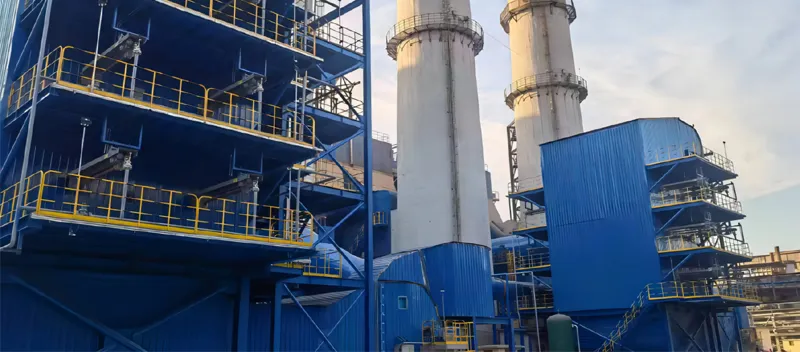
The raw flue gas from a gas turbine generator unit features low dust concentration, high flow rate and long continuous operating hours. The client aims to achieve synergistic control of NOx, CO and VOC pollutants within limited flue space while minimizing retrofit investment, shortening downtime and reducing later O&M costs.


Traditional Multi-Layer Catalyst SolutionTONEXUS New Three-Effect Catalyst SolutionSimulated Comparison
Reactor SpaceSeparate SCR, CO and VOC catalyst layers are required, resulting in a larger reactor volumeOne bed, three effects; reduces the number of catalyst bedsReactor space saved by approx. 30%-45%
Number of Catalyst BedsTypically requires 2-3 functional catalyst layersIntegrated arrangement of multifunctional catalystBed count reduced by approx. 40%-60%
Initial Equipment InvestmentRequires multi-layer catalysts, a larger reactor and more supporting structuresReduces catalyst layers and reactor volumeTotal equipment investment saved by approx. 20%-35%
System Pressure DropStacked multi-layer catalysts create higher overall resistanceFewer beds reduce system resistancePressure drop reduced by approx. 15%-30%
O&M ComplexityLayered management of multiple catalysts makes maintenance complexUnified maintenance for a single multifunctional catalystO&M workload reduced by approx. 20%-35%
Overall Treatment CostMore equipment, more beds and higher maintenance costsOne bed, multiple effects; simplified systemLifecycle cost saved by approx. 20%-35%


Integrated Technical Value

CO + NOx + VOCs Three-in-One
  • Make it lighter
    Make it lighter
    Reduce the number of catalyst layers, simplify reactor layout, and lower overall system complexity.
    98%+

    CO Conversion Rate


  • More energy-efficient operation
    More energy-efficient operation
    Lower system pressure drop, reduce operating resistance, and improve overall operating economy.
    95%+

    SCR productiveness

  • Easier to maintain
    Easier to maintain
    Save equipment footprint and retrofit space, while reducing investment and long-term O&M costs.
    280-400℃

    Operating Temperature Range


Get Your Customized Technical Solution for Free

Fill in the basic operating parameters, and we will provide three-effect catalyst suitability recommendations, cost estimates and a technical communication plan.
Company Name *
Project Industry *
Project Location *
Contact Name *
Contact Position *
Contact Information(Email) *
Project Type
Existing SCR System?
Project Description
Flue Gas Source
Flue Gas Flow (Nm³/h)
Flue Gas Temperature (°C)
Inlet NOx Concentration
Target CO Concentration
VOC Concentration
Inlet CO Concentration
Target CO Concentration
O2 Content
Message *
Multi-Functional Catalysts
Fill in info, get this report in your email
Your Name/Company *
E-mail *
Needs/Problems *
Learn about the market trend
Process & Technology consult
Absorption solvent replacement
Equipment supply
Search for supplier
Cooperation method
Please Select
We use cookies to offer you a better browsing experience, analyze site traffic and personalize content. Part of the tracking is necessary to ensure SEO effectiveness,
By using this site, you agree to our use of cookies. Visit our cookie policy to learn more.
Reject Accept