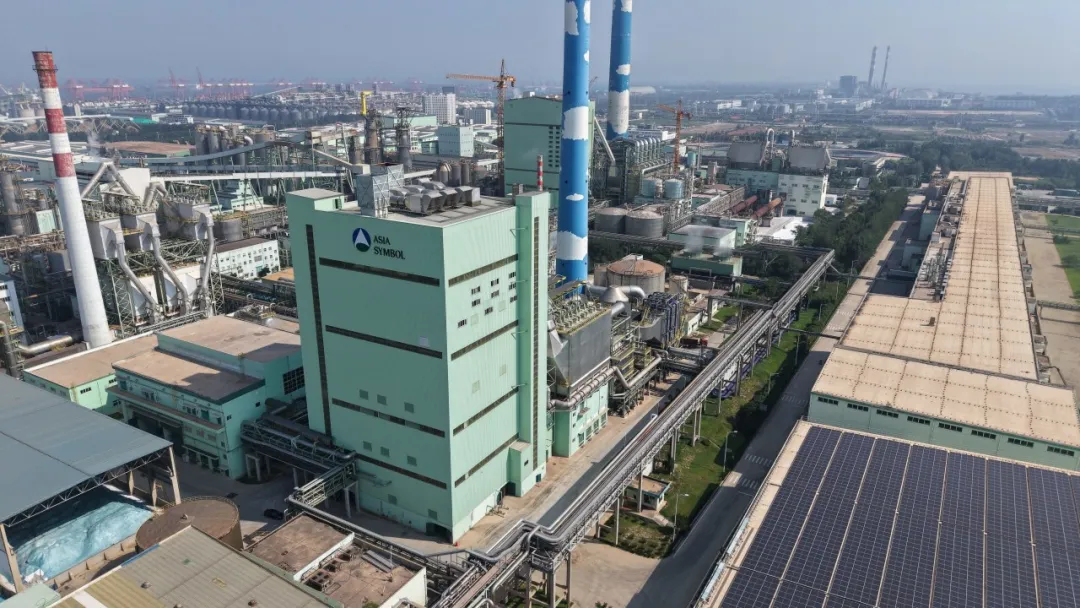
In coke oven NMHC control, a common challenge is that emissions may meet the required limit during one test, but begin to fluctuate once production load changes or flue gas temperature drops.
The reason is straightforward: a single emissions test only reflects operating conditions at that specific moment, while coke oven flue gas conditions are constantly changing. Variations in production load, oven conditions, and flue gas temperature can all affect NMHC concentrations. In some older coke ovens, leakage through oven walls or doors may further complicate emissions control.
Passing One Test Does Not Mean Long-Term Stability
In addition to changing operating conditions, coke oven flue gas itself is highly complex.
The gas stream may contain SO₂, moisture, particulate matter, and a range of aromatic and aliphatic hydrocarbons. These components create a challenging reaction environment, increasing the difficulty of NMHC removal while also affecting the long-term performance of the catalyst.
If a treatment solution is designed only around a single set of test data, it may not be able to cope with low flue gas temperatures, higher production loads, or sudden increases in NMHC concentration.
Achieving stable emissions compliance therefore requires a broader evaluation of the actual operating envelope, including minimum flue gas temperature, emissions fluctuations, and gas composition, rather than focusing on removal efficiency under a single operating condition.
TONEXUS NMHC Catalyst: Designed for Real Coke Oven Operating Conditions
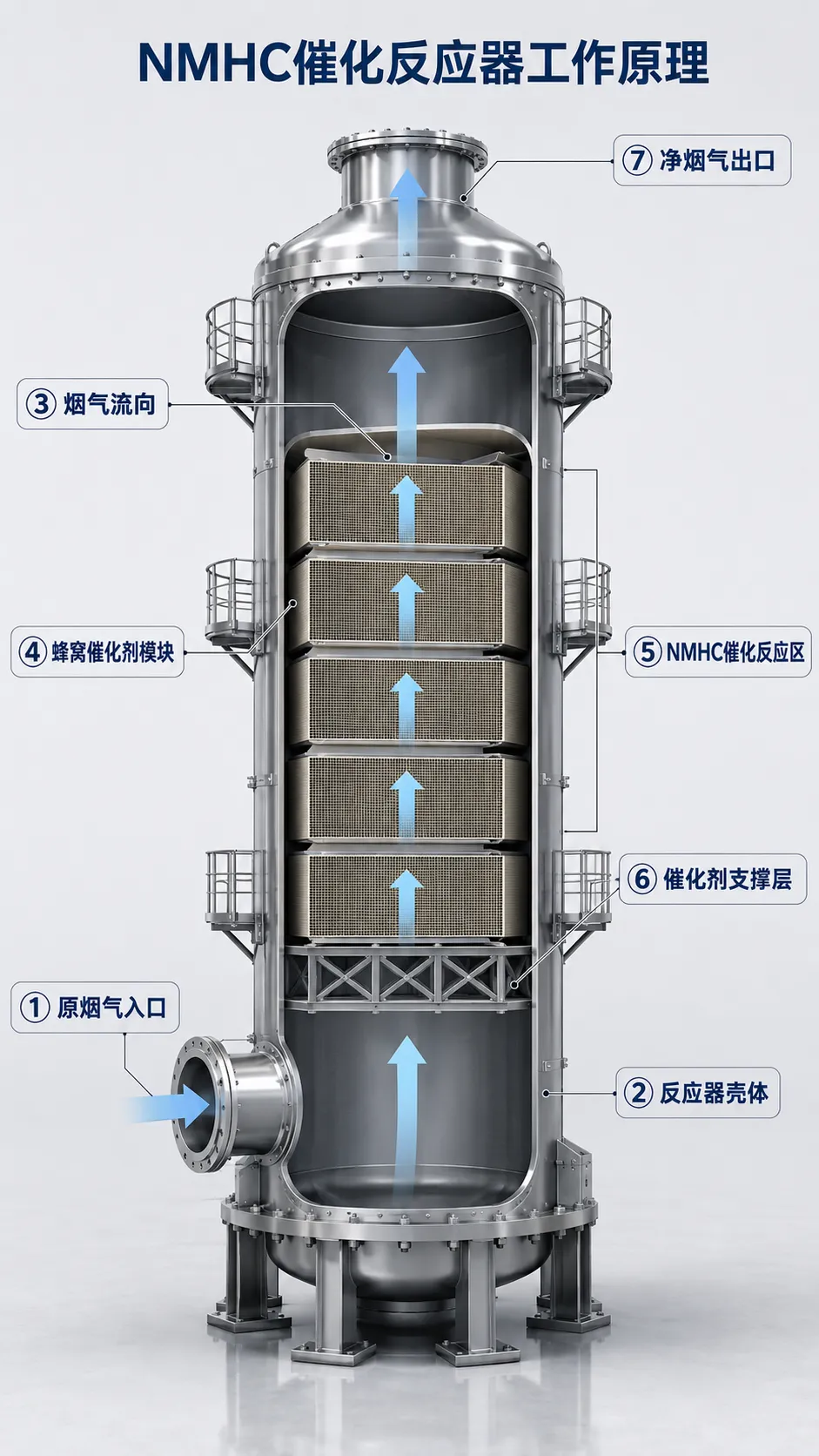
To address the low flue gas temperatures, complex gas composition, and continuous load fluctuations commonly found in coking applications, TONEXUS has developed an NMHC catalyst specifically for the deep treatment of non-methane hydrocarbons in coke oven flue gas.
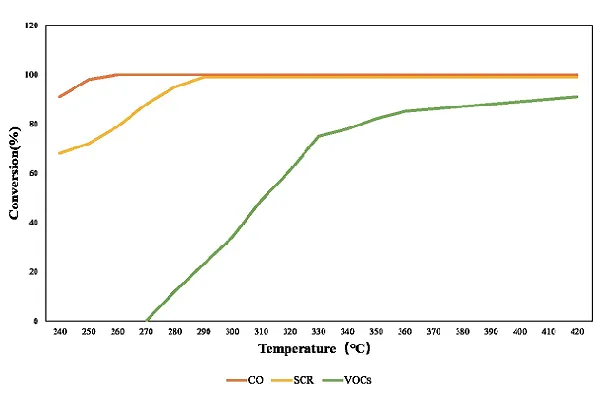
The catalyst operates within a temperature range of 240–420°C and becomes active from as low as 240°C, making it well suited to medium- and low-temperature coke oven flue gas treatment.
It is also designed for complex operating environments where sulfur compounds, moisture, and multiple organic components coexist, helping projects maintain more stable treatment performance under changing operating conditions.
For facilities that already have desulfurization and DeNOx systems in place, the NMHC catalytic treatment stage can also be integrated into a suitable position within the existing process based on flue gas temperature, available space, and system configuration. This can help make better use of existing infrastructure while minimizing unnecessary modifications to the overall system.
The real challenge in coke oven NMHC treatment is not simply achieving compliance during a single emissions test. It is maintaining stable performance across changing operating conditions.
If your project is experiencing fluctuating NMHC emissions, unstable treatment performance at low flue gas temperatures, or the need to upgrade an existing emissions control system, you can share your recent emissions data, minimum flue gas temperature, and current process configuration with TONEXUS.
Our team can evaluate the actual operating conditions, assess catalyst suitability, and develop a more targeted NMHC control solution for your project.
 English