Cement production creates a demanding flue-gas environment because the kiln and material-handling system can generate several pollutants at the same time. NOx forms mainly during high-temperature combustion, sulfur in raw materials and fuel can contribute to SO₂, and dust is produced across crushing, grinding, kiln, clinker-cooling, and handling stages. The challenge is therefore not simply removing one pollutant, but coordinating several control steps without destabilizing kiln operation.
Why Cement Flue Gas Is Difficult to Treat
Gas composition and temperature can vary with fuel, raw materials, kiln load, and whether the raw mill is operating. Dust loading may also be substantial. These changes matter because NOx control, sulfur removal, and particulate collection each have different operating requirements.
The U.S. EPA identifies particulate matter, nitrogen oxides, and sulfur dioxide as regulated pollutants for Portland cement plants.[1] European Commission guidance likewise identifies NOx, SO₂, and dust among the cement sector’s main air emissions.[2]
DeNOx for Cement Kilns
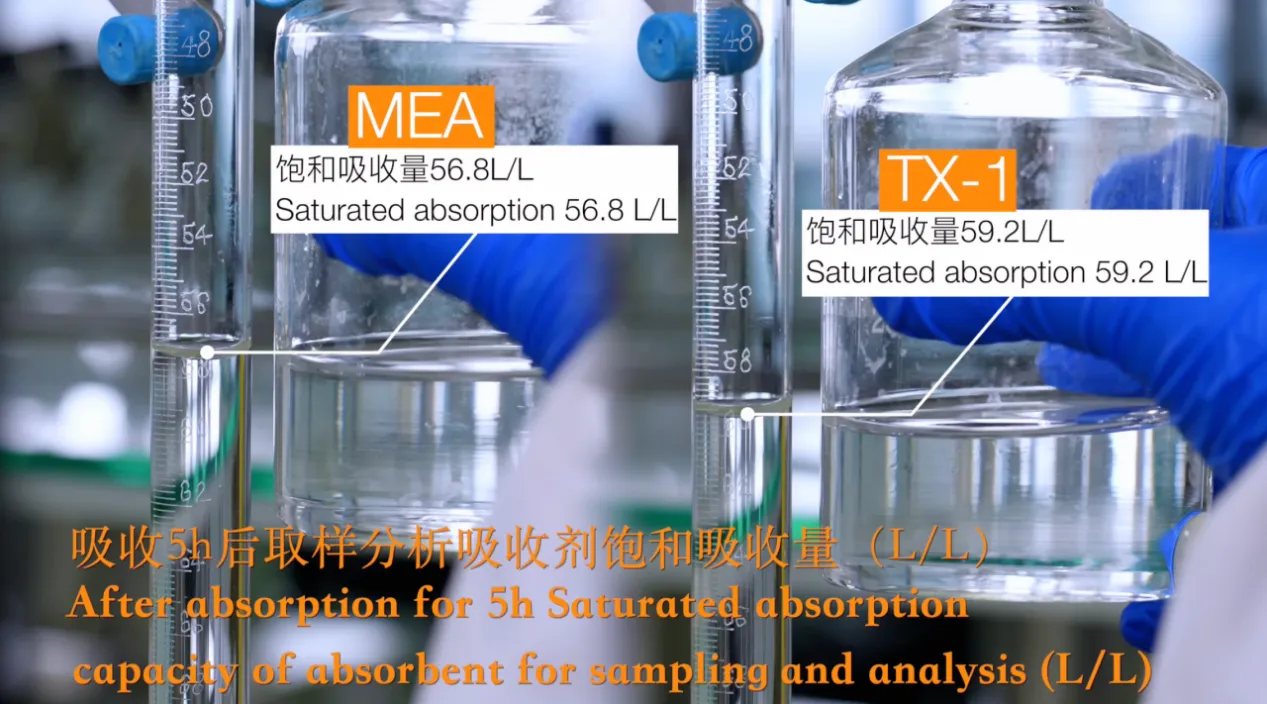
Cement kilns commonly use combustion optimization and SNCR, while more demanding outlet targets may require additional post-combustion treatment. EPA technical guidance describes SCR as a catalytic process in which ammonia reacts with NOx to form nitrogen and water.[3]
When considering a nox reduction system, engineers should evaluate gas temperature, dust concentration, sulfur compounds, ammonia slip, catalyst exposure, available space, and reactor position. A retrofit may also need to account for existing SNCR equipment rather than treating SCR as an entirely separate project.
DeSOx and Sulfur Management
SO₂ behavior in cement production is strongly influenced by raw-material chemistry and the alkaline environment inside the kiln system. EPA guidance notes that cement kilns can absorb a substantial share of potential SO₂, but actual performance varies with sulfur form and process conditions.[4]
Plants with higher sulfur loading or tighter outlet limits may therefore require additional desulfurization. The selected process should also be evaluated together with downstream particulate collection because reagent products and captured solids can change dust loading and handling requirements.
Dust Removal and Particulate Control
Fabric filters and electrostatic precipitators are established options for cement kiln and clinker-cooler exhaust. EPA’s AP-42 guidance describes fabric filters and ESPs as common particulate-control technologies in cement pyroprocessing.[4]
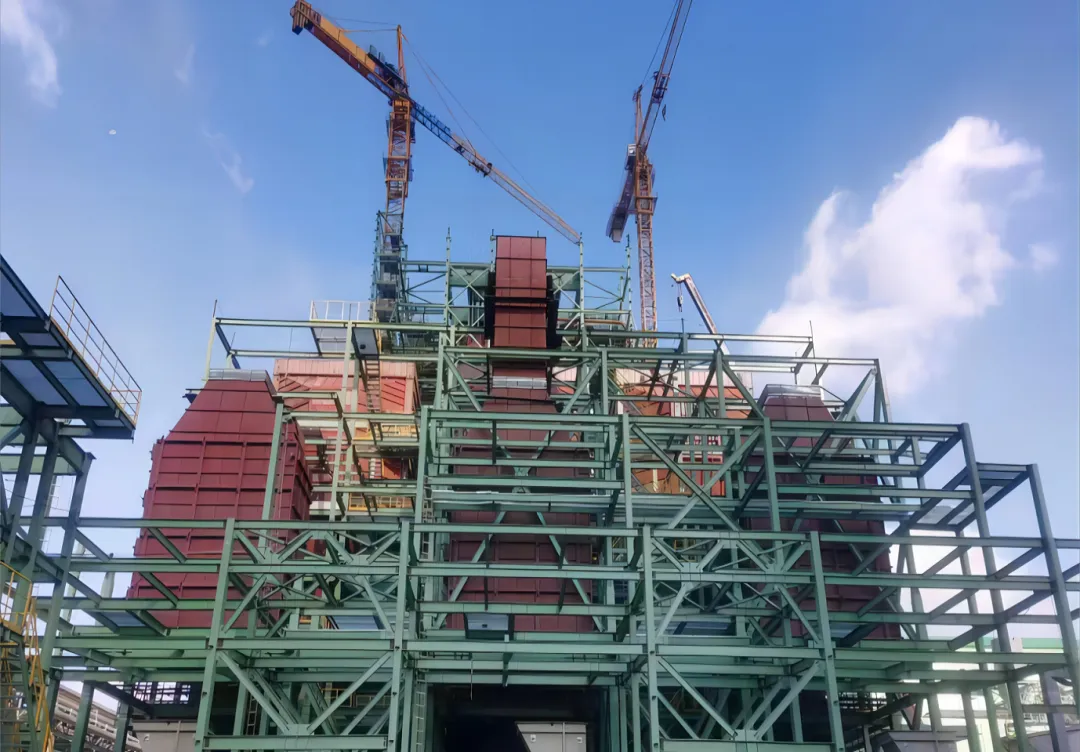
The correct dust removal equipment depends on temperature, airflow, particle properties, outlet limits, pressure-drop tolerance, and maintenance strategy. In a retrofit, fan capacity and the physical space required for ducts, hoppers, structural supports, and access platforms can be decisive.
How an Integrated System Should Be Planned
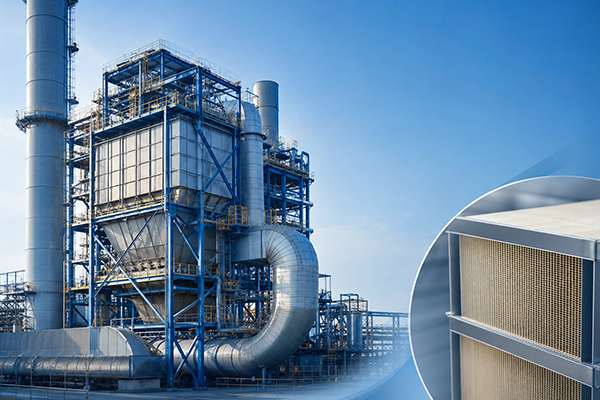
Rather than selecting DeNOx, DeSOx, and DeDust as isolated packages, a cement plant should examine the complete gas path. Temperature loss across upstream equipment can affect NOx treatment, sulfur and dust can influence catalyst performance, and particulate-control location can change downstream loading.
TONEXUS combines low-temperature SCR, desulfurization, and dust removal within an integrated flue gas treatment system approach. Its current portfolio includes projects in steel, pulp and paper, power generation, non-ferrous metals, building materials, and other industrial sectors.
For cement and other high-dust processes, this system-level approach allows engineering teams to balance emission performance with energy demand, equipment reliability, retrofit space, and long-term maintenance requirements.
FAQs
What are the main air pollutants from cement plants?
Important air emissions include NOx, SO₂, particulate matter, carbon monoxide, carbon dioxide, and, depending on fuel and raw materials, additional hazardous pollutants.
How is NOx reduced in a cement kiln?
Options include combustion control, SNCR, and SCR. Selection depends on the required reduction, temperature profile, ammonia use, dust conditions, and retrofit constraints.
Are baghouses or ESPs used for cement kiln dust?
Yes. Both are established particulate-control technologies. Selection depends on gas and dust characteristics, required outlet performance, pressure drop, energy use, and maintenance requirements.
Can DeNOx, DeSOx and dust control be integrated?
Yes. Integration can improve coordination between treatment stages, but equipment sequence should be designed around temperature, sulfur chemistry, particulate loading, pressure drop, and normal plant operation.
References
[1] U.S. Environmental Protection Agency. (2026). Portland Cement Plants: New Source Performance Standards (NSPS).
[2] European Commission. Cement and Lime — Sustainability in the Cement and Lime Sector.
[3] U.S. Environmental Protection Agency. (2003). Air Pollution Control Technology Fact Sheet: Selective Catalytic Reduction (SCR). EPA-452/F-03-032.
[4] U.S. Environmental Protection Agency. AP-42, Chapter 11.6: Portland Cement Manufacturing.
 English