Flue Gas Treatment: The Key to Cleaner Industry and a Greener Future
Industrialization has brought immense progress, but it has also left behind one undeniable challenge—air pollution. Factories, power plants, and waste incinerators release flue gases containing dust, sulfur oxides (SOx), nitrogen oxides (NOx), heavy metals, and other harmful substances. Left untreated, these pollutants not only harm human health but also accelerate climate change and environmental degradation. This is where Flue Gas Treatment comes in—an essential process that helps industries reduce emissions, comply with environmental regulations, and take a step toward sustainable development.
Why Flue Gas Treatment Matters for Modern Industries
Air quality is no longer just an environmental issue; it has become a global priority tied to public health, urban development, and corporate responsibility. Governments across the world have introduced stricter emission standards, forcing industries to adopt advanced pollution control technologies.
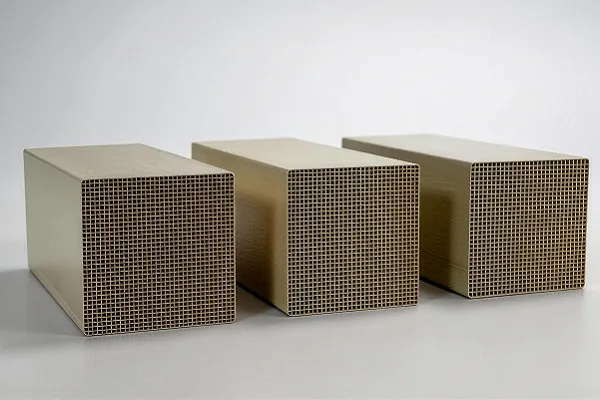
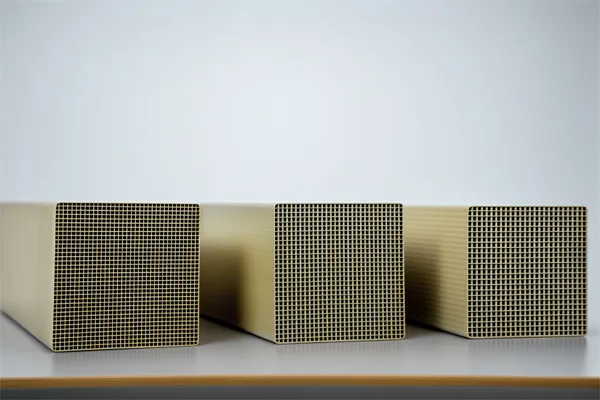
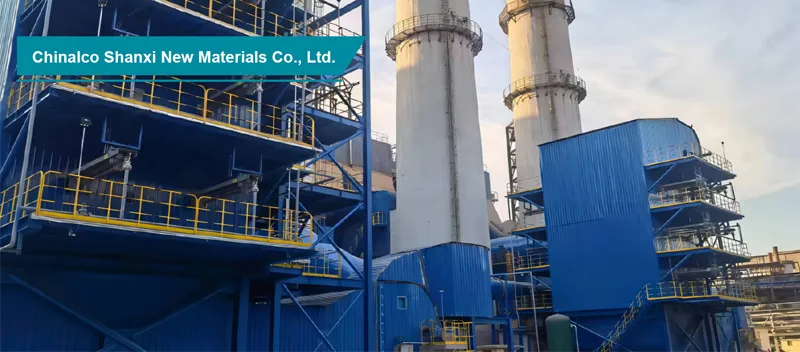
Flue Gas Treatment is a comprehensive solution that addresses these challenges by removing harmful pollutants before they are released into the atmosphere. By integrating technologies such as desulfurization (FGD), denitrification (SCR/SNCR), dust collection (ESP/Baghouse), and heavy metal capture, modern flue gas cleaning and utilization systems ensure industries can operate sustainably without compromising efficiency.
For companies, investing in flue gas treatment is more than regulatory compliance—it enhances brand reputation, builds trust with international clients, and opens access to global markets where environmental performance is a key selection criterion.
Advanced Flue Gas Treatment Technologies Driving Change
Over the past decades, technology has transformed the way industries manage their emissions. Flue Gas Treatment is no longer limited to basic dust removal; it now involves a sophisticated combination of physical, chemical, and catalytic processes tailored to different industrial sectors.
Desulfurization (FGD): Using wet, dry, or semi-dry scrubbers to remove sulfur dioxide, preventing acid rain and reducing respiratory risks.
Denitrification (SCR/SNCR): An industrial NOx reduction system uses catalytic or selective non-catalytic reduction methods to reduce nitrogen oxide emissions, one of the major contributors to smog.
Particulate Control (ESP/Bag Filters): Capturing fine dust and heavy metals, ensuring clean and safe air for nearby communities.
Carbon Capture & Utilization (CCUS): The next frontier, where carbon dioxide from flue gases is captured and reused in energy storage, chemical production, or enhanced oil recovery.
By adopting these technologies, industries such as steelmaking, cement, coking, and waste incineration can significantly cut emissions and contribute to achieving global carbon neutrality goals.
Flue Gas Treatment: A Step Toward Sustainable Growth
In today's business environment, sustainability is no longer optional—it is a core driver of competitiveness. Multinational corporations increasingly evaluate supply chains not just on price and quality, but also on environmental responsibility. This means that companies equipped with a reliable flue gas treatment system are more likely to secure international partnerships, long-term contracts, and investment opportunities.
Moreover, flue gas treatment brings hidden economic benefits. By recovering valuable by-products such as gypsum (from desulfurization), industries can turn waste into usable materials, creating new revenue streams. Energy-efficient treatment systems also reduce operational costs over time, making environmental protection a smart financial choice.
Conclusion
Flue Gas Treatment is more than just a pollution control measure—it is a bridge between industrial development and environmental responsibility. From ensuring regulatory compliance to opening doors to global markets and contributing to a healthier planet, its importance cannot be overstated.
As industries face growing pressure to decarbonize and reduce emissions, adopting advanced flue gas treatment technologies is no longer about “going green”—it is about staying competitive, future-proof, and trusted in a global marketplace that values sustainability.
 English