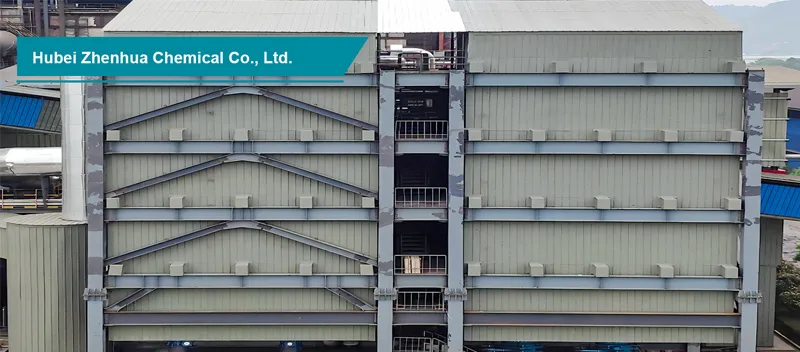
Industrial activities such as power generation, steelmaking, cement production, and waste incineration produce large volumes of flue gas containing harmful pollutants like sulfur oxides (SOx), nitrogen oxides (NOx), dust, heavy metals, and volatile organic compounds. To meet stricter environmental regulations and demonstrate corporate responsibility, companies worldwide are turning to the flue gas treatment system—a reliable solution for reducing emissions and protecting both people and the planet.
The Role of a Flue Gas Treatment System in Modern Industry
A flue gas treatment system is designed to capture and neutralize harmful pollutants before they are released into the atmosphere. This process not only ensures compliance with environmental laws but also supports companies in building a strong reputation for sustainability.
Different industries face unique challenges: cement plants need advanced dust collection, coal-fired facilities require efficient desulfurization, and waste incinerators must eliminate toxic dioxins and mercury. A well-designed flue gas treatment system provides tailored solutions, ensuring safe, reliable, and sustainable operations.
Key Components of a Flue Gas Treatment System
Modern flue gas treatment system solutions typically combine several technologies to achieve maximum efficiency:
Dust & Particulate Control: Electrostatic precipitators (ESP) or bag filters remove fine dust, fly ash, and heavy metals.
Flue Gas Desulfurization (FGD): Wet, semi-dry, or dry scrubbers reduce sulfur dioxide (SO₂), a major contributor to acid rain.
DeNOx Technologies: Selective Catalytic Reduction (SCR) or Selective Non-Catalytic Reduction (SNCR) systems cut nitrogen oxides (NOx), helping improve urban air quality.
Activated Carbon Injection: Captures hazardous substances such as dioxins, furans, and mercury.
Carbon Capture & Utilization (CCUS): A next-generation solution that traps CO₂ emissions for reuse or safe storage, contributing to global carbon neutrality goals.
By integrating these components, a flue gas treatment system provides comprehensive emission control for even the most demanding industrial applications.
Benefits of Investing in a Flue Gas Treatment System
A robust flue gas treatment system delivers multiple benefits that extend far beyond regulatory compliance:
Environmental Protection: Reduces harmful emissions, improving air quality and protecting communities.
Regulatory Assurance: Helps industries meet strict national and international standards, avoiding costly penalties.
Operational Efficiency: Advanced designs recover energy and generate valuable by-products, such as gypsum from desulfurization.
Market Competitiveness: Companies with effective emission control systems gain stronger reputations and greater acceptance in global markets.
Sustainability & ESG Goals: Demonstrates commitment to environmental, social, and governance standards, attracting investors and business partners.
Future Outlook for Flue Gas Treatment Systems
As emission standards continue to tighten worldwide, the flue gas treatment system is evolving with digitalization and innovation. Real-time monitoring, AI-driven control, and smart integration are making systems more energy-efficient and cost-effective. At the same time, CCUS technologies are paving the way for industries to actively contribute to global carbon neutrality initiatives.
Forward-looking enterprises that adopt advanced flue gas treatment systems today will not only comply with future regulations but also gain a competitive edge in the international marketplace.
Conclusion
The flue gas treatment system is no longer just an environmental requirement—it is a strategic investment in sustainability, profitability, and global competitiveness. From dust removal and desulfurization to NOx control and carbon capture, these systems deliver powerful results for industries determined to thrive in a greener future.
For companies ready to strengthen their environmental performance and secure long-term success, adopting a modern flue gas treatment system is the smartest step forward.
 English