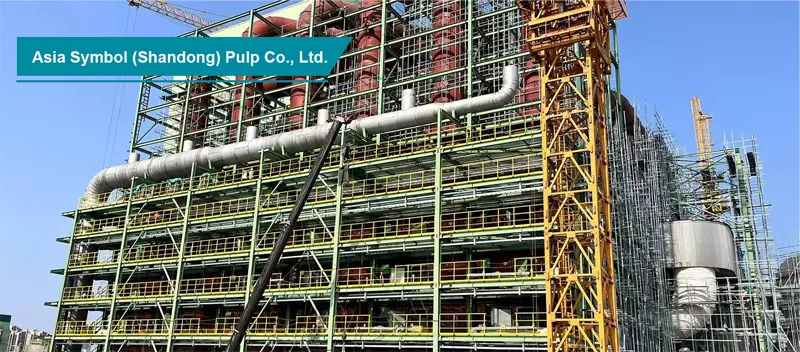
In today's industrial landscape, environmental responsibility is no longer optional—it is essential. Industries such as steel, cement, coking, and waste incineration produce significant amounts of flue gas containing harmful pollutants like sulfur oxides (SOx), nitrogen oxides (NOx), particulate matter, and heavy metals. To reduce these emissions and comply with stricter global standards, companies turn to the flue gas treatment process, a critical pathway toward sustainable industrial growth and cleaner air.
The Importance of the Flue Gas Treatment Process
The flue gas treatment process plays a vital role in protecting both the environment and human health. Without proper treatment, emissions contribute to acid rain, smog, climate change, and respiratory diseases. Governments worldwide have tightened regulations, requiring industries to adopt effective emission control systems.
By implementing a comprehensive flue gas treatment process, companies not only meet legal requirements but also strengthen their market reputation. In fact, demonstrating environmental responsibility has become a powerful competitive advantage in global supply chains, where clients prefer partners who prioritize sustainability.
Key Stages in the Flue Gas Treatment Process
The modern flue gas treatment process involves several integrated steps, each targeting specific pollutants:
Dust and Particulate Removal: Using electrostatic precipitators (ESP) or baghouse filters, fine dust and heavy metals are captured, preventing them from entering the atmosphere.
Desulfurization (FGD): Wet, semi-dry, or dry scrubbers remove sulfur dioxide (SO₂), minimizing the risk of acid rain and improving local air quality.
DeNOx Systems: Technologies such as Selective Catalytic Reduction (SCR) or Selective Non-Catalytic Reduction (SNCR) reduce nitrogen oxides (NOx), which are major contributors to urban smog.
Carbon Capture & Utilization (CCUS): The most advanced stage of the flue gas treatment process, CCUS captures carbon dioxide (CO₂) for storage or reuse, directly supporting carbon neutrality goals.
Each industry customizes the process to match its emission profile. For example, cement plants emphasize dust removal, while coal-fired power stations focus heavily on SO₂ and NOx reduction.
Benefits of Adopting the Flue Gas Treatment Process
The advantages of investing in an efficient flue gas treatment process extend far beyond regulatory compliance:
Environmental Protection: By removing harmful gases and particles, companies actively contribute to cleaner air and healthier communities.
Operational Efficiency: Many systems recover heat or produce valuable by-products, such as gypsum from desulfurization, which can be reused in construction.
Cost Reduction: Energy-efficient designs lower long-term operating costs, making sustainability an economically smart choice.
Market Competitiveness: Companies with strong environmental practices are more attractive to international clients, investors, and partners.
Future Readiness: As global emission standards tighten, companies already using advanced flue gas treatment processes will remain resilient and compliant.
The Future of the Flue Gas Treatment Process
Looking ahead, the flue gas treatment process will continue to evolve with digital technologies, automation, and artificial intelligence. Smart monitoring systems will allow real-time tracking of emissions, while optimized process integration will reduce energy consumption. CCUS will also become more widespread, helping industries contribute to global carbon reduction targets.
By adopting these innovations early, companies can position themselves as leaders in sustainable industry, balancing profitability with environmental stewardship.
Conclusion
The flue gas treatment process is more than just a compliance requirement—it is a strategic investment in sustainability, competitiveness, and corporate reputation. From dust removal and desulfurization to NOx control and carbon capture, each stage of the process delivers tangible benefits for businesses and communities alike.
For industries aiming to thrive in the era of green transformation, adopting advanced flue gas treatment processes is not just the right choice—it is the only choice for a cleaner, safer, and more competitive future.
 English
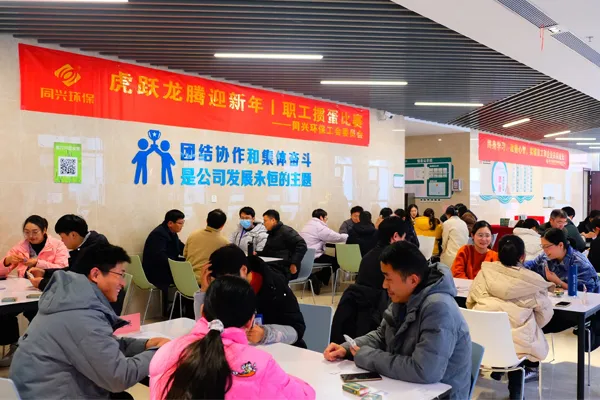
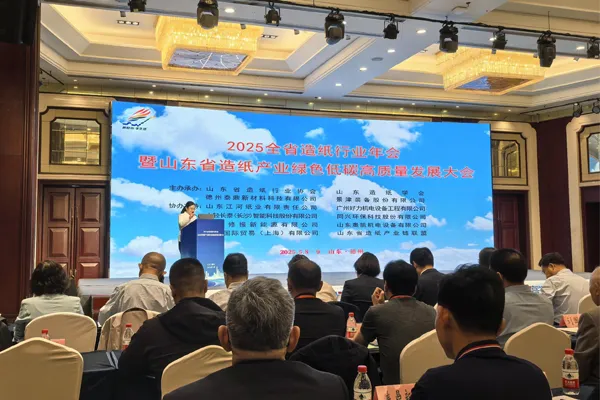
_20260522145415.webp "TONEXUS Technology Attends Shandong Paper Industry Digital-Intelligent Empowerment and High-Quality Development Conference")