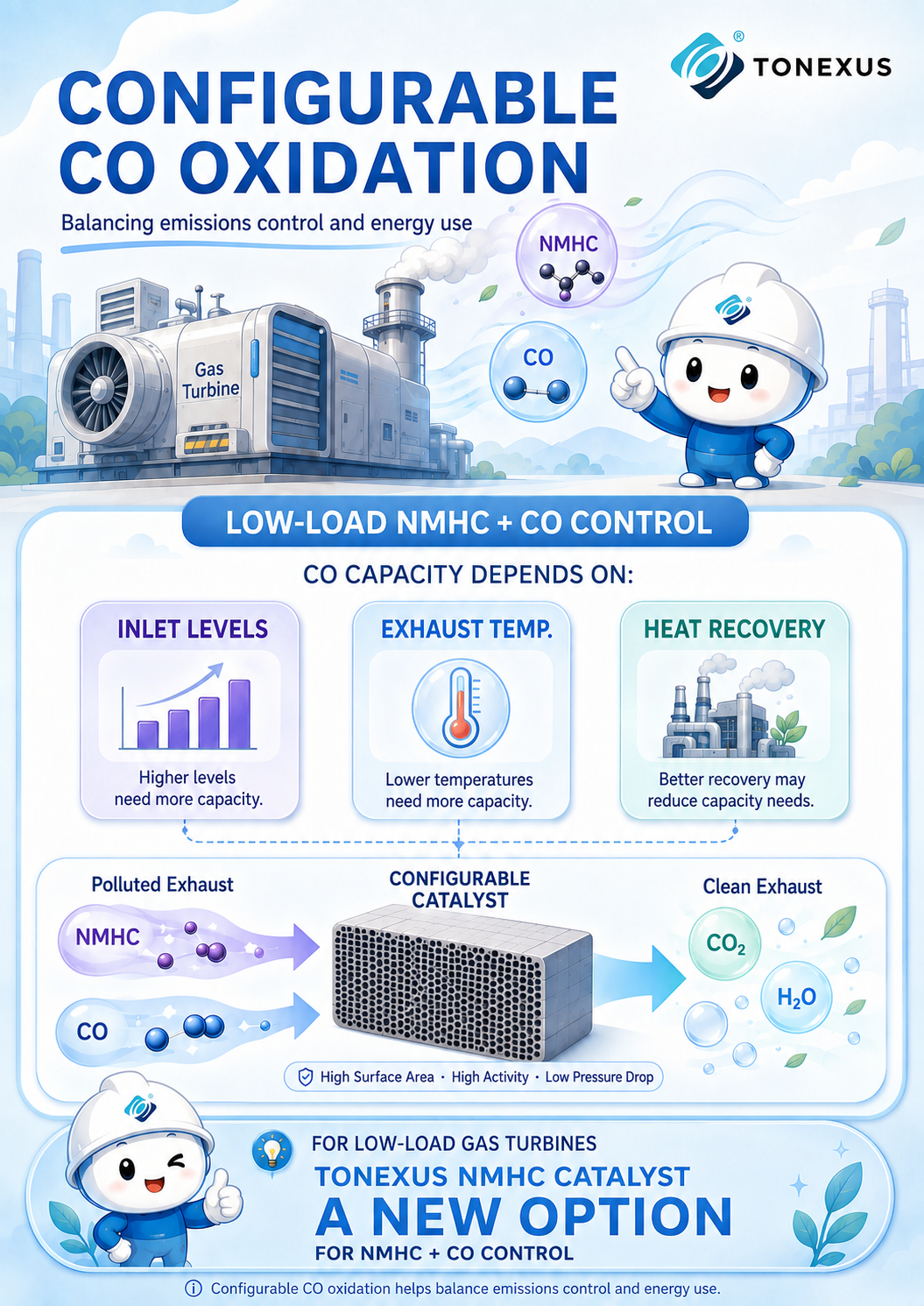
The power output of a gas turbine is adjusted according to actual electricity demand, which means the unit does not always operate at full load. When less power is required, the unit enters low-load operation. Under these conditions, carbon monoxide (CO) and non-methane hydrocarbons (NMHC) become more difficult to control, while the exhaust gas temperature may also decrease. Additional heating may therefore be required during the treatment process, increasing energy consumption and operating costs. During low-load operation, fuel combustion may be incomplete, making CO emissions more pronounced and increasing the pressure on NMHC control.
Low-Temperature Activation at 240°C Reduces Additional Heating Demand
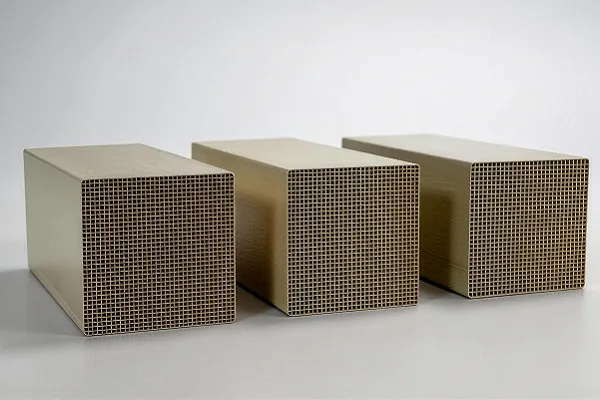
To address this need, the TONEXUS NMHC Catalyst operates within a temperature range of 240–420°C and becomes active at 240°C, making it better suited to gas turbine exhaust temperatures under low-load conditions.
When the exhaust gas temperature is close to the temperature required for catalytic reactions, a lower activation temperature helps reduce the need for additional heating and the energy consumed by ongoing reheating, achieving a better balance between emissions control and operating costs.
Configurable CO Oxidation Balances Emissions Control Performance and Operating Energy Use
In addition to NMHC control, the catalyst’s CO oxidation capacity can be configured according to project requirements. For projects facing both NMHC and CO control challenges during low-load operation, the appropriate CO oxidation capacity can be determined based on actual emission concentrations, exhaust gas temperature and waste heat recovery conditions.
For gas turbine projects that frequently operate at low load or support peak-shaving operations, the NMHC catalyst provides a new option for coordinated NMHC and CO control.
As industrial flue gas treatment requirements become increasingly complex and variable, TONEXUS will continue to advance innovation in catalytic materials and treatment technologies, making its products more responsive to on-site conditions and its solutions better suited to operating conditions, while helping customers achieve a better balance between stable emissions control and efficient operation.
 English