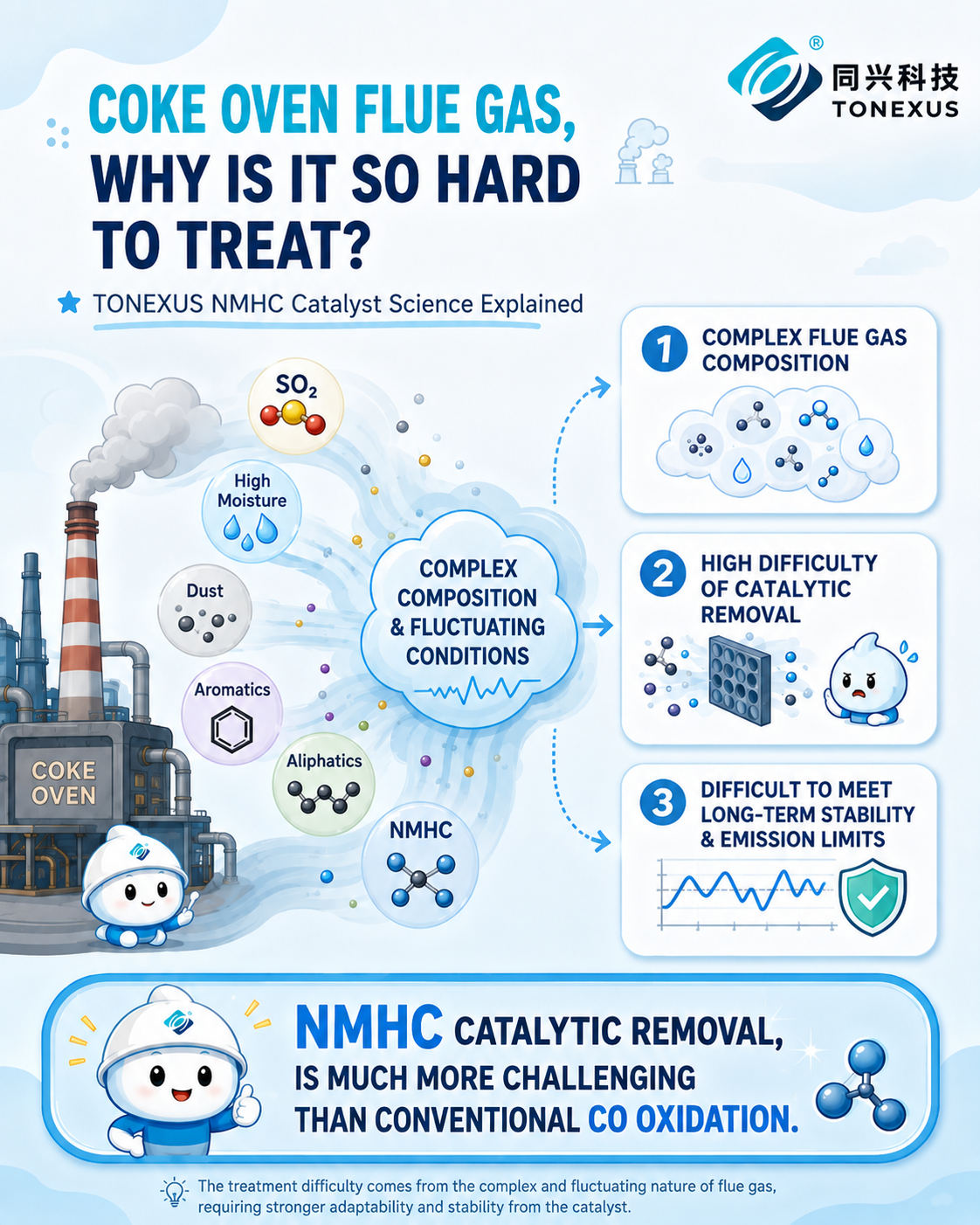
Coke oven flue gas often contains SO₂, water vapor, dust, as well as various organic components such as aromatic hydrocarbons and alkanes. The flue gas composition is complex, and the operating load also fluctuates continuously. Compared with conventional CO oxidation, the catalytic removal of non-methane hydrocarbons is more difficult. In particular, for some older coke ovens, even after front-end sealing measures are adopted, it may still be difficult to maintain stable emissions control over the long term.
To meet the treatment requirement of controlling non-methane hydrocarbon emissions from coke oven stacks at no more than 100 mg/m³, TONEXUS has launched a non-methane hydrocarbon catalyst specifically developed for coking flue gas, providing coking enterprises with a new option for the deep removal of NMHCs (Non-Methane Hydrocarbons).
Developed for Coking Flue Gas, Focusing on the Challenges of NMHC Treatment
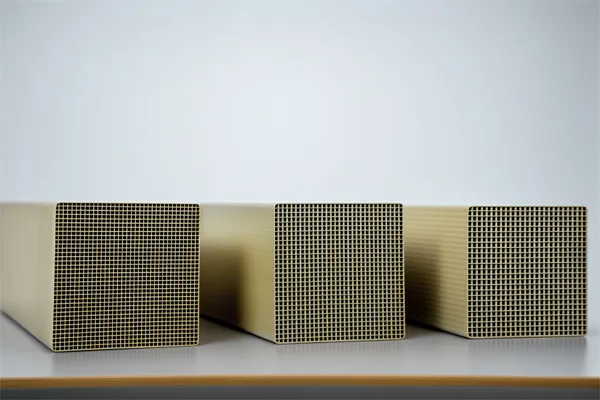
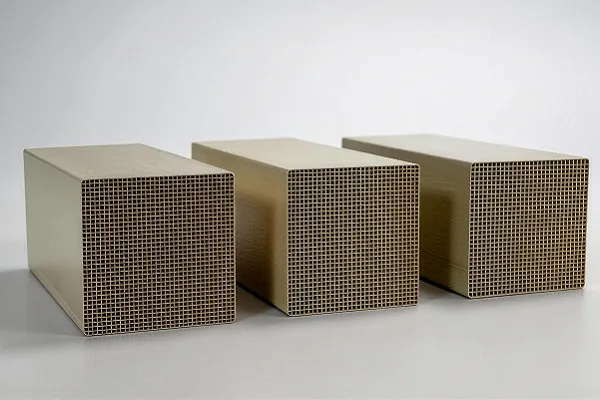
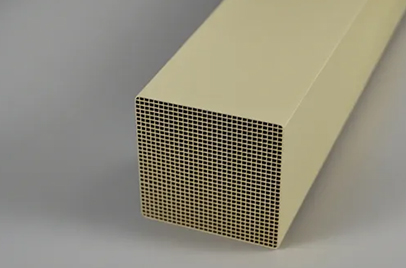
The TONEXUS Non-Methane Hydrocarbon Catalyst is a precious-metal-based oxidation catalyst primarily used for the deep removal of non-methane hydrocarbons from coking flue gas.
In response to the coexistence of SO₂, high water vapor, dust, and complex organic compounds in coking flue gas, the product has enhanced adaptability to complex operating conditions. It can handle flue gas environments containing SO₂, NOx, high H₂O levels, as well as various aromatic hydrocarbons and alkanes, reducing the impact of complex components on catalytic performance.
Effective from 240℃ at Low Temperatures, Well Suited to Coking Flue Gas Temperatures
The flue gas temperature in coking projects does not always remain within a high-temperature range. If a catalyst requires a relatively high activation temperature, additional heating may be necessary, which not only increases energy consumption but also adds pressure to system retrofitting and operation.
The operating temperature range of the TONEXUS Non-Methane Hydrocarbon Catalyst is 240—420℃. It can enter an effective operating state at 240℃, enabling it to better meet the low-temperature treatment requirements of coking flue gas.
CO Oxidation Configured as Needed, Going Beyond NMHC Treatment
Different projects have different requirements for CO oxidation. CO oxidation releases heat, and stronger oxidation capacity is not necessarily better. The key is to match the oxidation capacity with the customer’s existing equipment and waste heat utilization conditions.
From adaptability to complex coking flue gas conditions and effective operation from 240℃, to on-demand CO oxidation configuration and synergistic denitrification with reduced ammonia consumption, the TONEXUS Non-Methane Hydrocarbon Catalyst is designed around customers’ actual operating conditions, providing coking enterprises with a more stable, more flexible, and easier-to-implement solution for the deep treatment of NMHCs.
 English

_20260508161603.webp "Exhibition Preview | TONEXUS Technology Invites You to Join Us at IFAT Munich 2026 and Embrace a Global Green Future!")