Exploring Flue Gas Treatment Types for Cleaner Industrial Operations
Industrial processes such as steelmaking, cement production, coking, and waste incineration inevitably generate flue gases containing dust, sulfur oxides (SOx), nitrogen oxides (NOx), heavy metals, and other pollutants. To balance industrial growth with environmental responsibility, companies rely on effective Flue Gas Treatment types that help reduce harmful emissions, comply with regulations, and achieve sustainable production.
The Importance of Choosing the Right Flue Gas Treatment Types
Not all industries face the same emission challenges. For example, cement plants often generate high levels of dust, while coal-fired facilities release sulfur dioxide and nitrogen oxides. This diversity of pollutants makes it crucial for companies to understand different Flue Gas Treatment types and choose the most suitable solution for their specific operations.
By selecting the right technology, industries can not only meet strict air quality standards but also reduce operational risks, improve energy efficiency, and enhance their environmental reputation in both domestic and international markets.
Key Flue Gas Treatment Types in Modern Industry
There are several major Flue Gas Treatment types commonly used worldwide. Each has unique functions, and many facilities integrate multiple systems to achieve optimal results:
Flue Gas Desulfurization (FGD): Designed to remove sulfur dioxide (SO₂), FGD systems are crucial for preventing acid rain. Wet scrubbers, semi-dry scrubbers, and dry scrubbers are among the most widely used technologies.
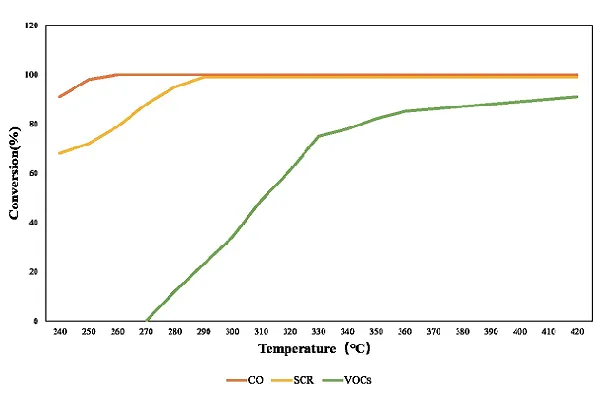
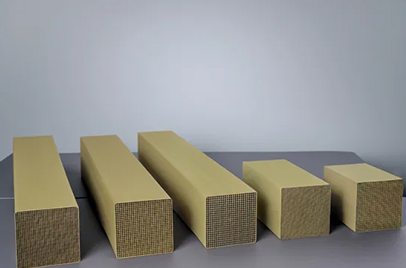
DeNOx Systems (SCR/SNCR): Selective Catalytic Reduction (SCR) and Selective Non-Catalytic Reduction (SNCR) systems target nitrogen oxides (NOx), significantly reducing smog formation and ensuring cleaner air.
Dust & Particulate Removal: Electrostatic precipitators (ESP) and baghouse filters capture fine dust, fly ash, and heavy metals. This is especially important in steel, cement, and waste-to-energy plants.
Carbon Capture and Utilization (CCUS): The latest development in Flue Gas Treatment types, CCUS not only reduces CO₂ emissions but also allows carbon dioxide to be reused in industrial applications such as chemical production and energy storage.
Benefits of Advanced Flue Gas Treatment Types
Investing in advanced Flue Gas Treatment types offers benefits beyond environmental compliance:
Regulatory Compliance: Meeting international standards (such as EU directives or U.S. EPA guidelines) ensures companies avoid penalties and maintain operational licenses.
Cost Efficiency: Many modern systems are energy-efficient, reducing long-term operating costs. Additionally, by-products like gypsum (from desulfurization) can be reused in construction materials.
Global Market Competitiveness: Companies with advanced flue gas treatment are seen as reliable partners, opening opportunities in export markets where sustainability is a key requirement.
Corporate Reputation: Demonstrating environmental responsibility strengthens brand image and increases trust among stakeholders, investors, and customers.
Future Outlook for Flue Gas Treatment Types
As global industries move toward carbon neutrality, demand for more efficient and sustainable Flue Gas Treatment types will only grow. The integration of digital monitoring, AI-driven process optimization, and energy recovery systems will make future solutions even more cost-effective and environmentally friendly.
Forward-thinking companies that adopt these technologies early will not only stay ahead of tightening regulations but also position themselves as leaders in the global transition to cleaner and greener industry.
Conclusion
Different Flue Gas Treatment types provide industries with flexible, effective ways to control emissions, protect the environment, and enhance business value. Whether through desulfurization, denitrification, dust removal, or carbon capture, these solutions are key to sustainable industrial growth.
For companies aiming to strengthen global competitiveness and meet their sustainability commitments, investing in the right flue gas treatment systems is no longer an option—it is a necessity.
 English