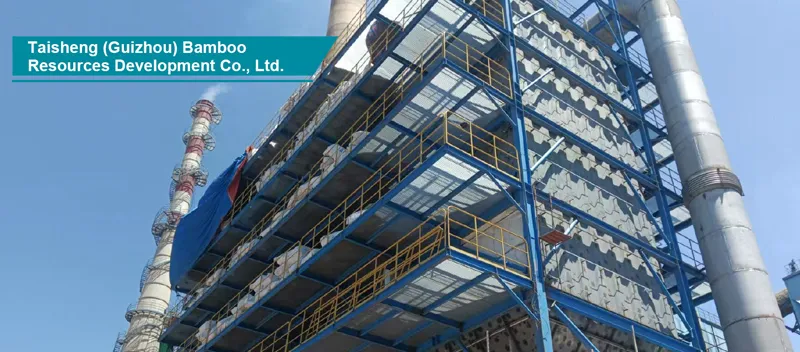
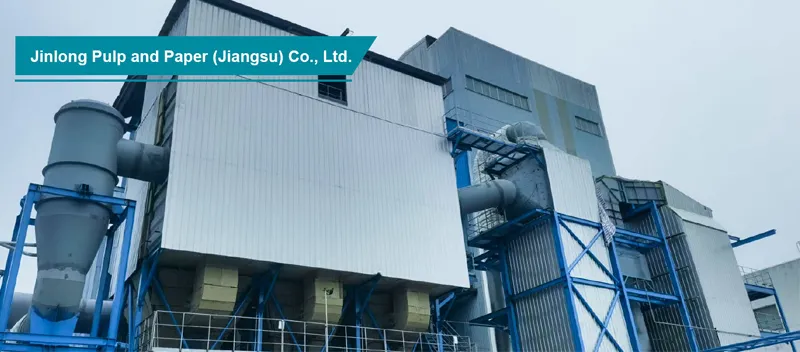
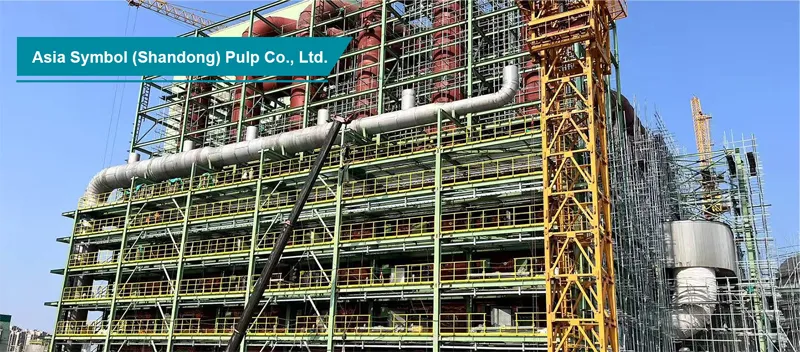
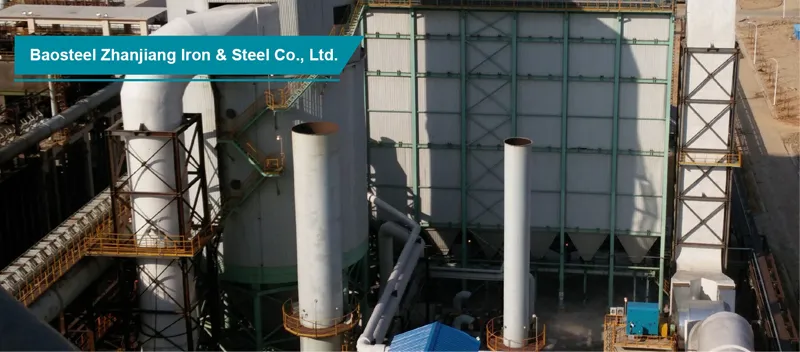
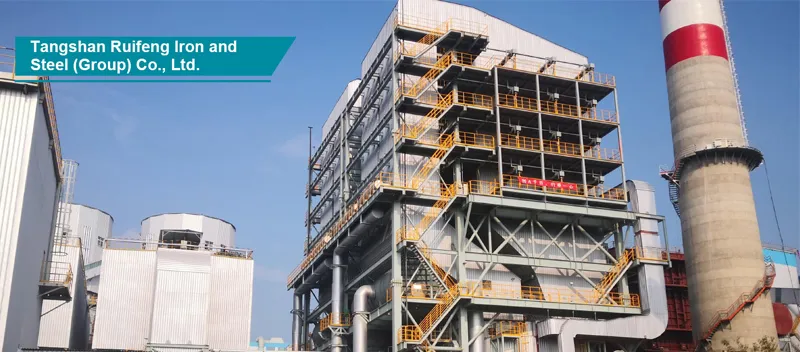
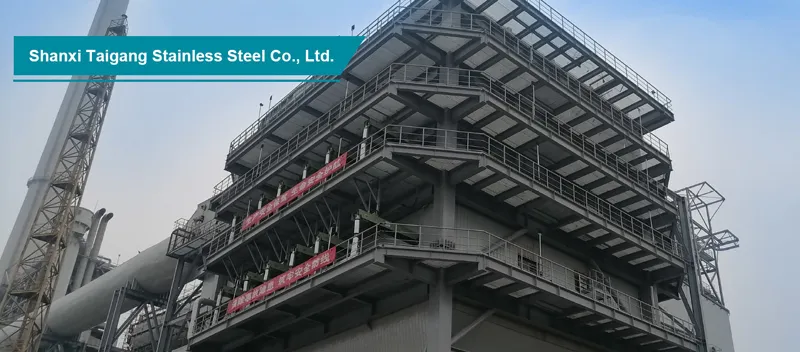
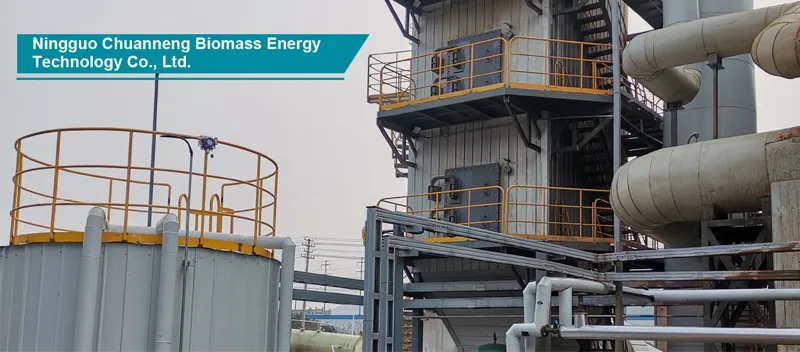
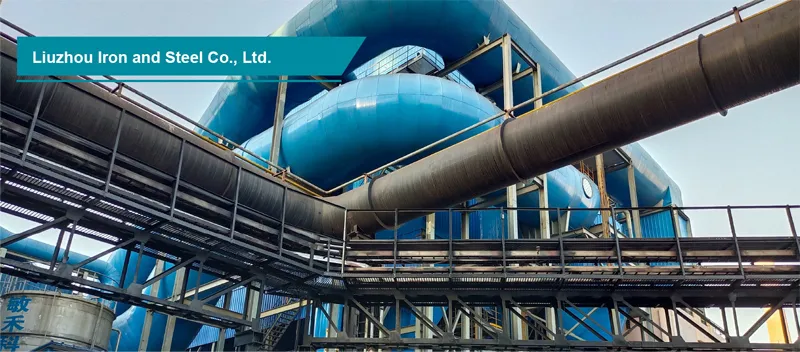
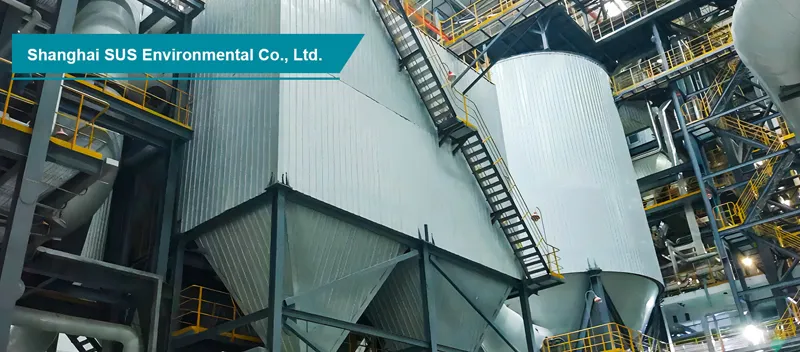
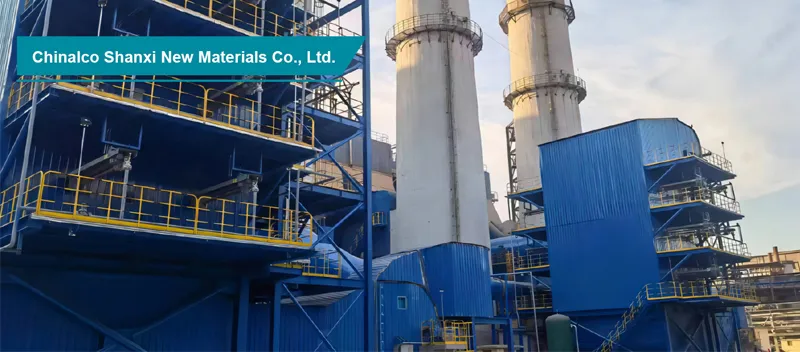
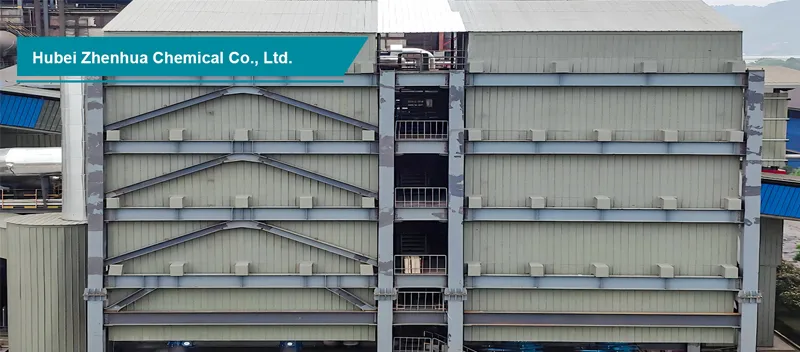
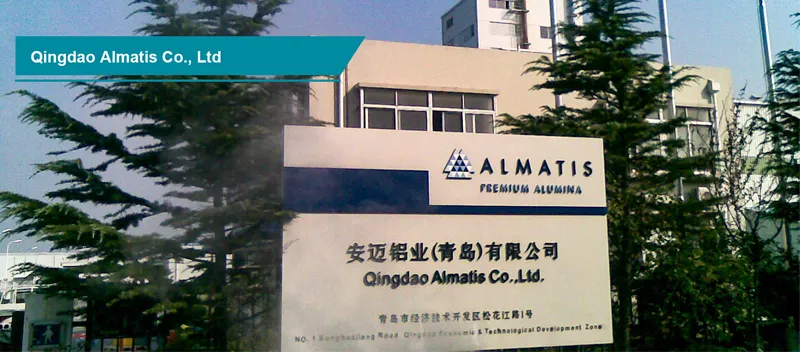
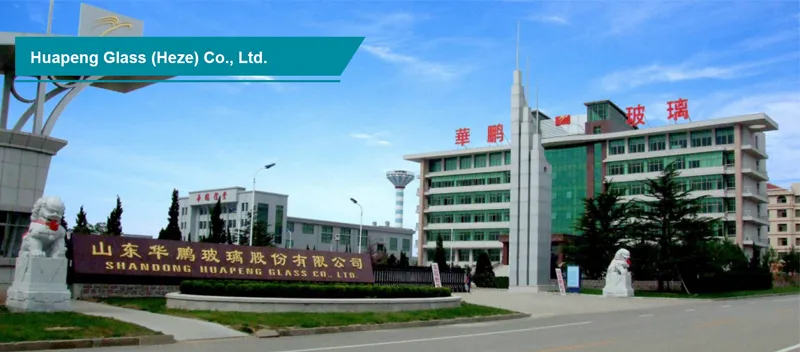
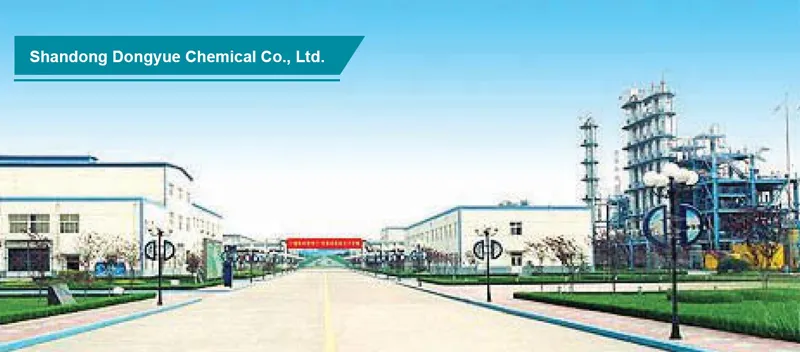
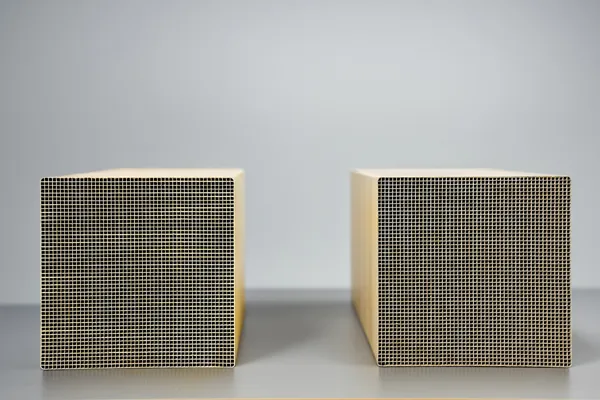
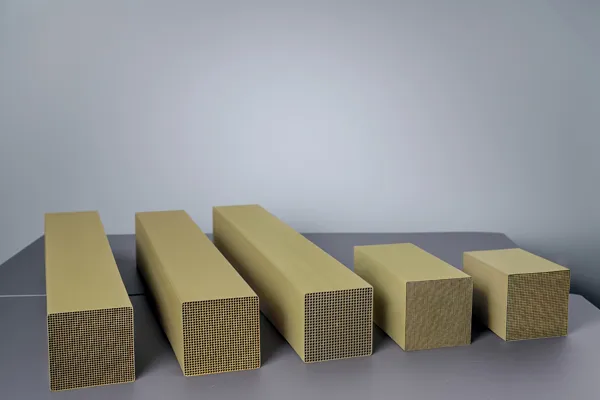
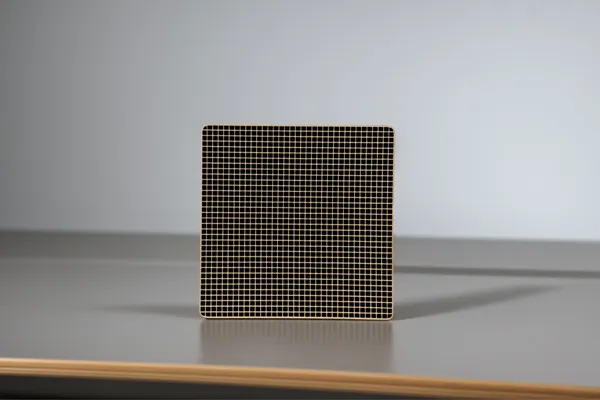
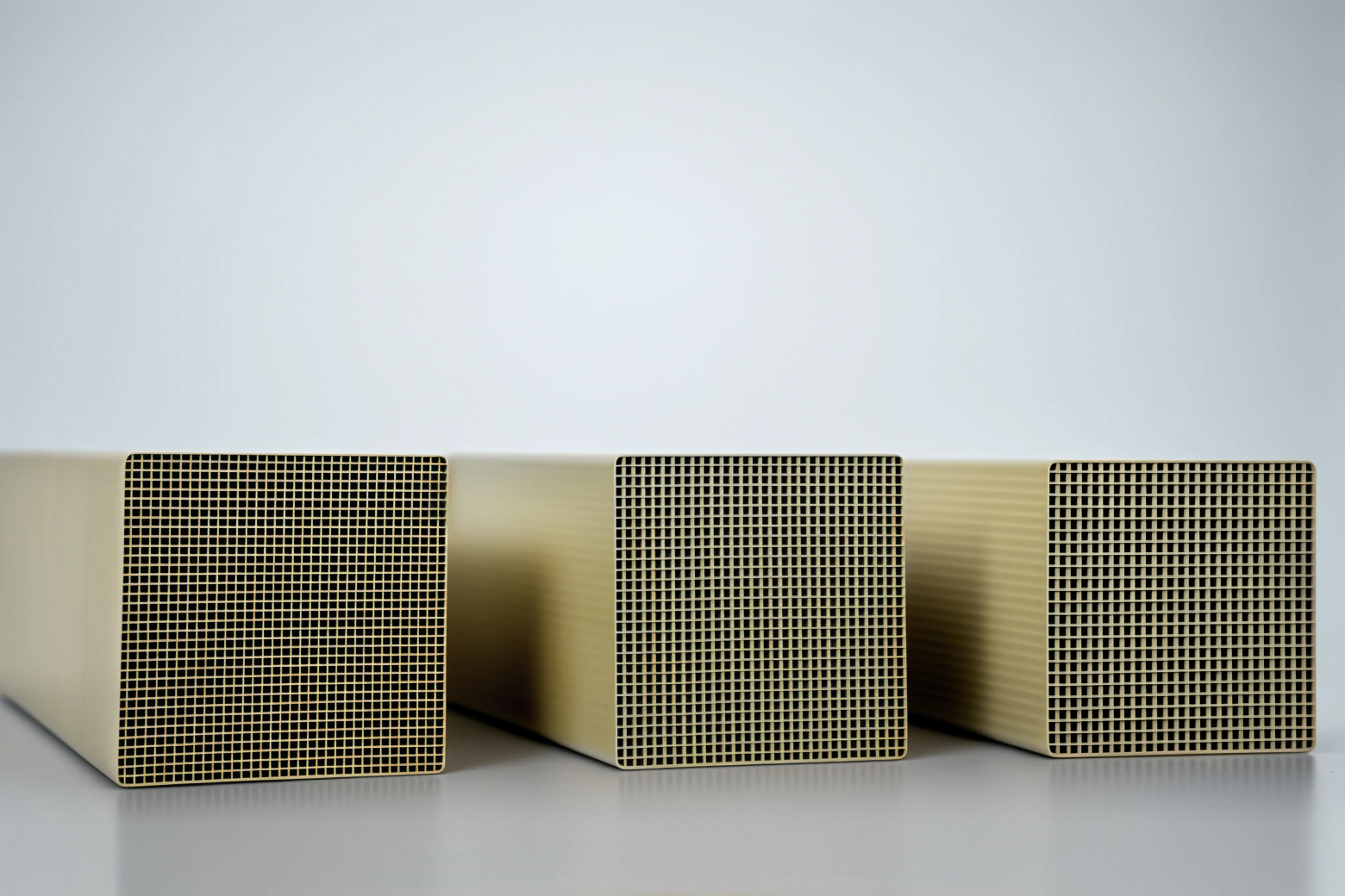
The project footprint covers more than 20 industries such as steel, building materials, paper, power, etc., with a total of more than 800 sets of cases worldwide.
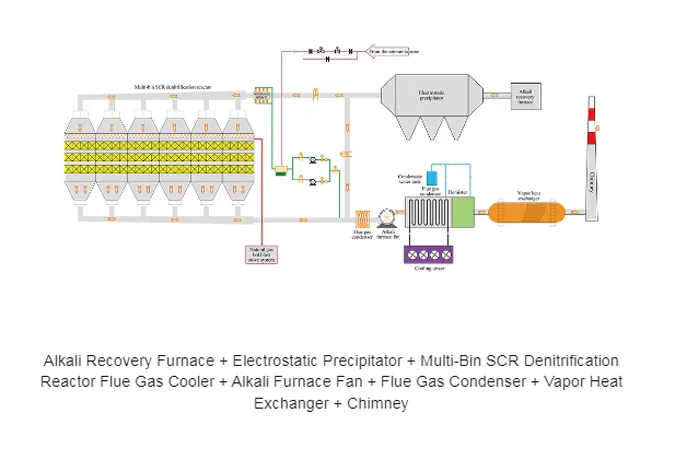
Outlet NOx ≤50 mg/Nm³.
The Low-Temperature SCR Denitration Technology and Equipment for Alkali Recovery Furnace Flue Gas was appraised by CEIA as reaching the internationally leading level.
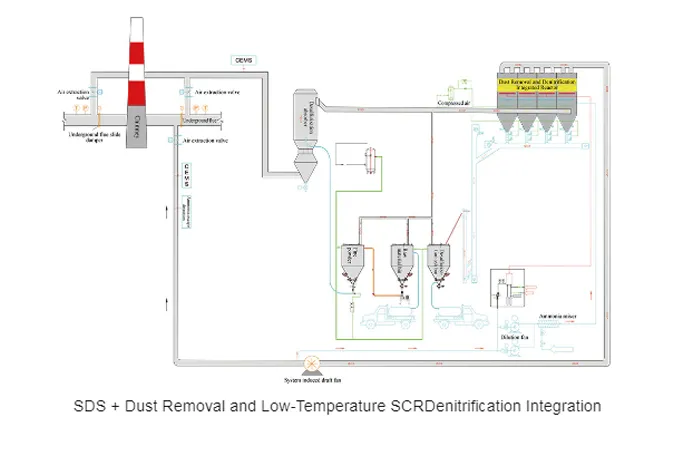
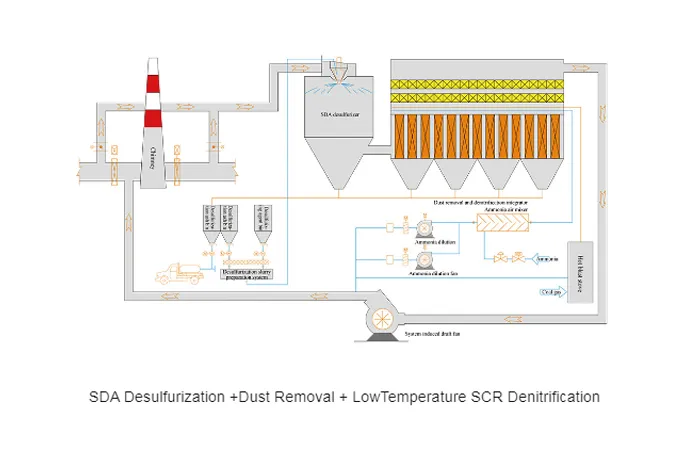
Outlet NOx ≤45mg/Nm³, SO₂≤25mg/Nm³, dust ≤5mg/Nm³.
The desulfurization by-product is recyclable for the alkali recovery process.
Outlet NOx emission ≤ 40mg/Nm³.
Simple, stable equipment; low operating cost; easier later maintenance.
Reduce the Nox emission from 700–800 mg/Nm³ to below 150 mg/Nm³.
Help the client avoid risks such as fines and production restrictions due to non-compliance with environmental regulations.
Reduce the Nox emission from 500 mg/Nm³ to below 50 mg/Nm³.
Adopt the TONEXUS Twin-Shaft Lime Kiln Flue Gas Specific Denitration Catalyst, realizing efficient and stable denitration at medium-low temperatures of 195~220°C in the presence of sulfur.
Reduce the Nox emission from 300mg/Nm³ to below 30mg/Nm³.
Adopt the TONEXUS Sintering Flue Gas Specific Denitration Catalyst, realizing efficient and stable denitration at 180°C low temperature after passing through activated carbon adsorption desulfurization.
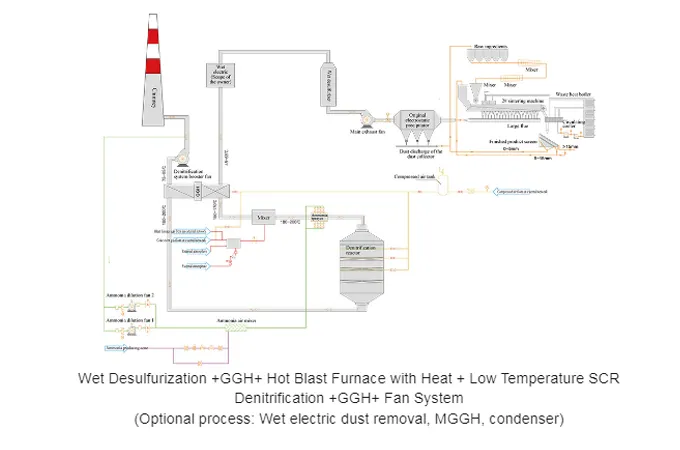
Outlet NOx <50 mg/Nm³.
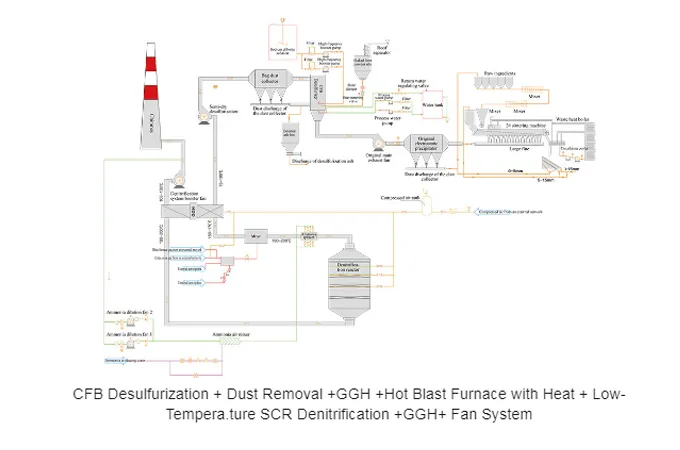
The equipment is simple, stable with low operating costs, and low-temperature denitration thereby increases the boiler's waste heat recovery.
SO₂ emission ≤30 mg/Nm³, dust emission≤5 mg/Nm³.
Adopt dry desulfurization technology, featuring simple and stable equipment, low operating costs, and simpler post-maintenance.
Outlet NOx ≤75 mg/Nm³.
First application of Chinese Low-Temperature SCR Catalyst in the waste incineration industry; First replacement of imported catalyst with Chinese Low-Temperature SCR Catalyst in the waste incineration industry.
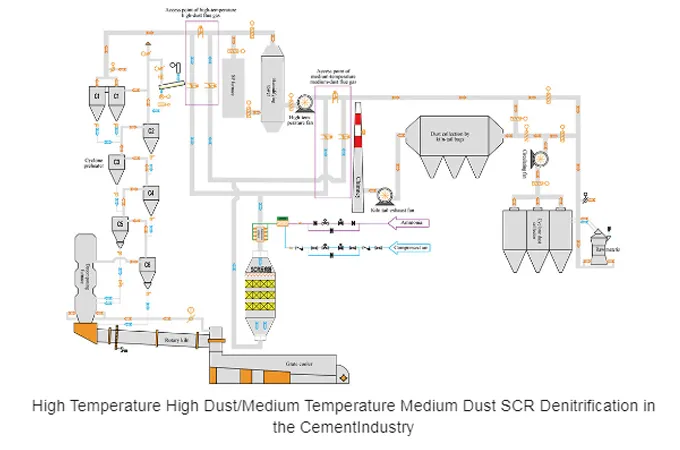
Outlet NOx ≤50 mg/Nm³ and ammonia slip ≤3 ppm when the clinker kiln operates at 100% load.
NOx emission≤50 mg/Nm³
The equipment is simple and stable with low operating costs and simpler post-maintenance.
Reduce NOx from 1,440~2,000 mg/Nm³ to below 100 mg/Nm³.
Annual Nox emission reduction: 293.46 t/year ~ 416.1 t/year.
Reduce NOx from 3000 mg/Nm³ to 500 mg/Nm³.
Denitration efficiency reaches 38.3%, featuring low operating costs and simpler post-maintenance.
Reduce NOx from 500 mg/Nm³ to 100 mg/Nm³.
Denitration efficiency reaches 80%, featuring low operating costs and simpler post-maintenance.
Outlet NOx <100 mg/Nm³ with an efficiency rate of 82%.
Adopting low-temperature SCR denitration catalyst, the equipment is simple and stable, does not require heating, and features low operating costs and simpler post-maintenance.
Significant low-temperature high activity (150-160°C, ≥80% efficiency; 160-400°C, ≥90% efficiency)
Strong resistance to sulfur poisoning, alkali metal poisoning properties
Excellent hydrophobicity
Highly efficient synergistic removal of dioxins
With obvious advantages of energy saving and consumption reduction
With the combination of low-temperature SCR, desulfurization, and dust removal in the Tonexus flue gas treatment integrated process, it can realize multi-pollutant co-efficient and simultaneous treatment, covering many high pollution industries such as iron and steel, coking, paper making, etc., and realizing ultra-low emission.
Provide EPC turnkey services, product supply, operation and maintenance, contract energy management and other service modes, with the ability to design, supply, installation, commissioning, training and other full-process services, to achieve emissions reduction and energy saving and carbon reduction synchronized landing.
The project footprint covers a wide range of industries such as steel, building materials, paper and so on, with a total of more than 800 sets of cases nationwide and overseas, accumulating a wealth of experience.
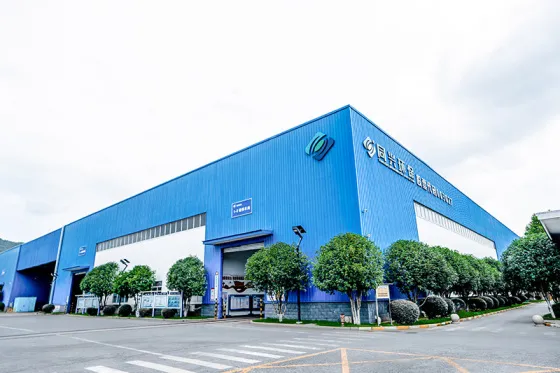
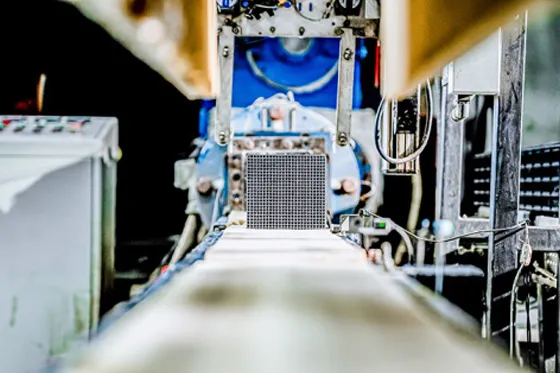
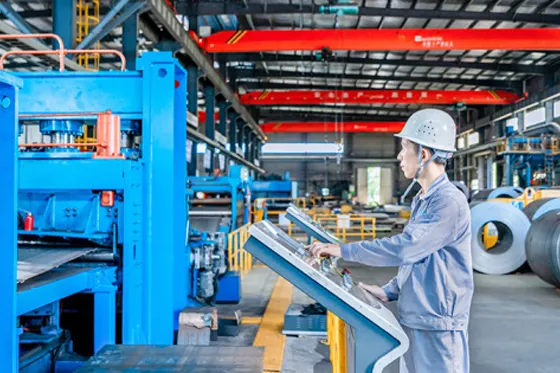
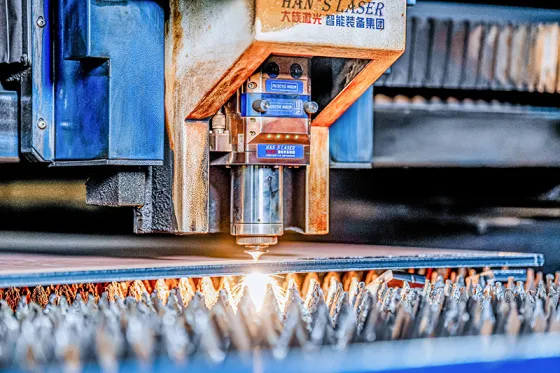
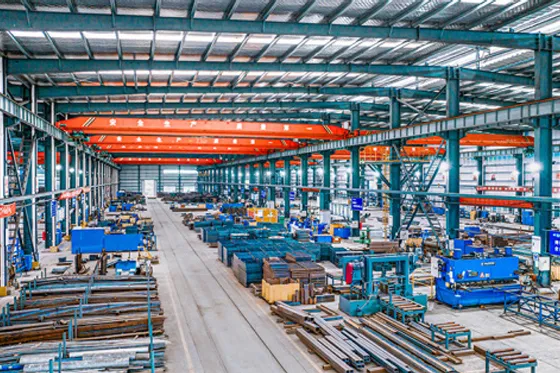
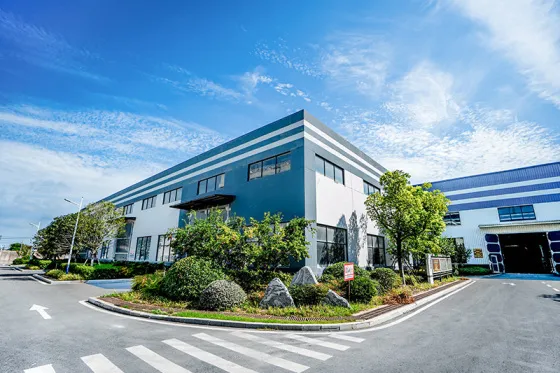
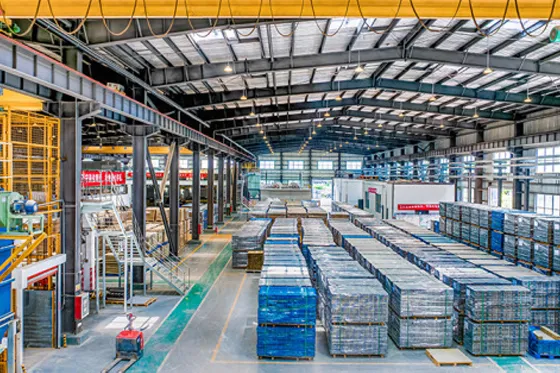
Digital, Intelligent and Fully Automatic Production Base
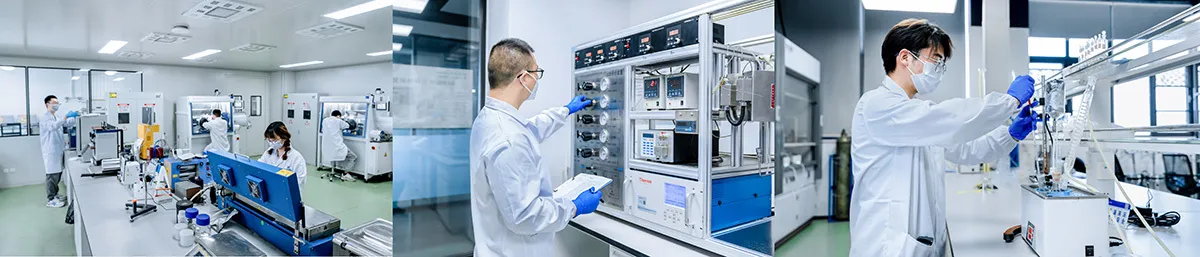
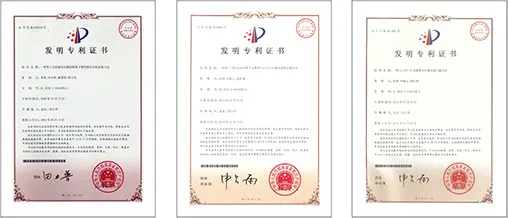
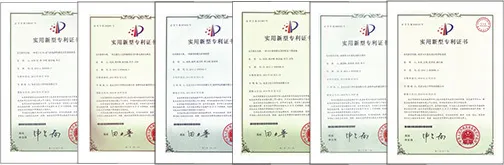
TONEXUS has 3 R&D centers, more than 130 R & D team, equipped with more than 100 sets of high-end R&D test equipment, long-term investment in flue gas treatment, catalytic chemistry and other project research, has a wealth of R&D and innovation capabilities, has been a total of more than 200 authorized patented technologies.
High cost of meeting emissions standards?
Solving low temperature desulfurization and denitrification challenges?
Tackling Tough Emissions Standards?